
Reviewed · PUERTO DE MOGAN EXCURSIONS
Canarian farmhouse in Mogan, mango farm and vermouth factory
Vermouth meets mango farm peace.
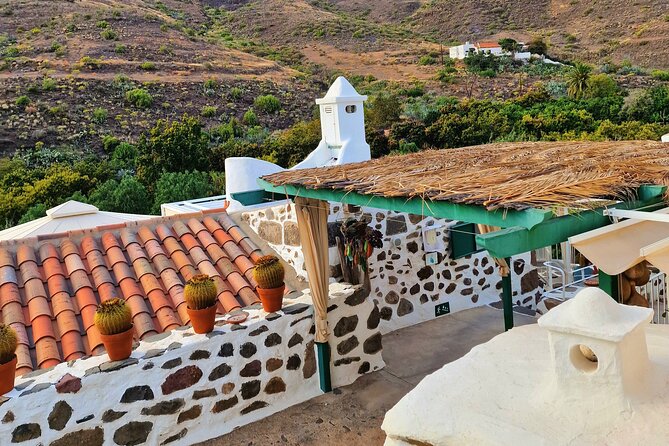
This 2-hour stop in Mogán pairs a restored 200-year Canarian farmhouse with fruit rows and a cactus garden you can actually walk through.
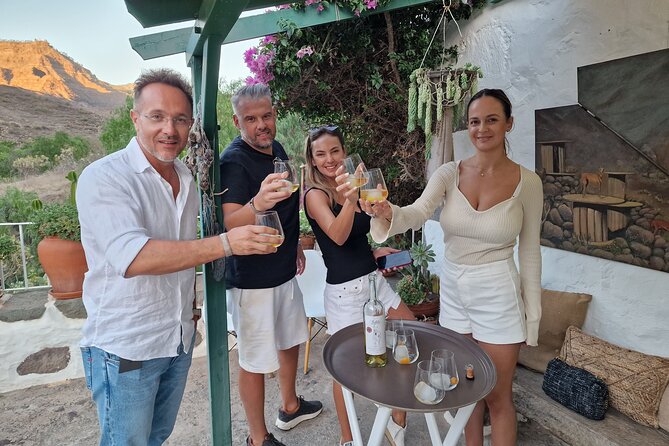
I also love the food logic here: you get a real taste of fruit-to-table flavor, not just a quick photo stop. The highlight for me is sampling Lolito vermouth in both red and white, paired with a cold mango yogurt dessert if you choose that option.
One thing to consider: the route includes a walk down toward the mango plantation, so it is not suitable for baby carriages or for disabled people on that stretch.
In This Review
- Key highlights worth knowing
- A 200-year Canarian farmhouse in Mogán, cactus garden first
- What to watch for
- Mango, avocado, soursop, and tunera cacti explained
- Why this farm story is valuable
- Lolito vermouth tasting, red and white in a production-focused visit
- A practical tip before you go
- Mango gazpachuelo and why the dessert feels like part of the story
- If you have a sweet-to-sour preference
- Price, timing, and where to fit it into your Mogán day
- How to pair it with Puerto de Mogán
- Who this tour suits best, and who should think twice
- Accessibility and comfort considerations
- Should you book the Mogán mango farm and Lolito vermouth tour?
- FAQ
- How long is the tour?
- What does the tour cost?
- What language is the tour offered in?
- Where does the tour start, and does it end nearby?
- What is included in the price?
- Is dinner included?
- Is a vermouth and dessert tasting included?
- Is the tour accessible for baby carriages or limited mobility?
- What is the cancellation policy?
Key highlights worth knowing
- 200-year farmhouse setting with restored Canarian architecture and calm garden time
- Cactus garden plus tunera context so you understand why these plants matter
- Real fruit growing talk for mangoes, avocados, and soursops
- Lolito vermouth tasting in white and red, tied to the local production story
- Mango dessert served cold with mango and yogurt plus chocolate cubes
- Small group size (up to 15) for a more personal pace
A 200-year Canarian farmhouse in Mogán, cactus garden first
If your Gran Canaria plan is mostly sun and sea, this tour gives you a different kind of “vacation” feeling. You start at Los Pasitos, 2 in Mogán, then move through a property that’s been kept true to popular Canarian architecture. The farmhouse dates to about 200 years old, and the buildings have been restored to match the style of the islands, not turned into something generic.
The first thing you notice is the mood. The gardens feel like an oasis just off the main tourist flow. In the local area around Puerto de Mogán, it’s described as being around 10 minutes away, which matters because it lets you do something real without losing your whole day.
You also get a nice pace boost early. This is not a rushed “line up and follow” format. You begin with an on-site introduction to the Pueblo de Mogán area where the farmhouse sits, then shift into the plants. For many people, starting with nature is the easiest way to settle in. You see the cactus garden before you get the fruit lecture, and it helps the whole story click.
Other trips from Puerto de Mogan:
- Puerto de Mogán: Submarine Tour★ 4.4 · 3,792 reviews
- From Mogán/Maspalomas/Arguineguín: Gran Canaria Day Tour★ 4.2 · 1,729 reviews
- Puerto de Mogan: Boat and Snorkeling Trip★ 4.9 · 855 reviews
What to watch for
Wear shoes you’re comfortable walking in. Even with a short duration, you’re touring gardens and working paths. The experience is easy enough for most people, but the plantation area does involve going down, and that is the part the operator flags for accessibility limits.
Mango, avocado, soursop, and tunera cacti explained
This is the farm portion where the tour feels most practical. You don’t just look at plants, you get a guided explanation of how mangoes, avocados, and soursops grow, and how they show up in Canarian cuisine.
That matters because it turns the visit from sightseeing into something you can use later. When you understand what fruit is in season or how a crop is handled, food stops being random at restaurants. You’ll be better at ordering. You’ll taste with context.
You also get a cactus angle, including tunera. Tunera refers to edible cactus fruit, and it’s the kind of local detail that makes the tour feel grounded. Cacti are often treated like scenery in photos. Here, you learn how they connect to real food culture.
A nice bonus is variety. This isn’t only mango talk. You’ll see multiple crops, and that variety keeps the walk from going stale. If you like botany, you’ll appreciate the mix. If you just want delicious outcomes, you’ll still like it because the fruit is tied to the tasting later.
Why this farm story is valuable
Gran Canaria can be full of beach views. A farm explanation gives you a different kind of travel memory. It’s the kind of knowledge you can take home, like spotting mango fruit in a market and knowing it has a real production rhythm behind it.
A few more things to do on Gran Canaria


Lolito vermouth tasting, red and white in a production-focused visit
Now to the part many people book for: vermouth. On this property, they produce Lolito vermouth, and you get an opportunity to taste it on-site. The tour includes samples of both white and red vermouth.
You’re not only tasting the drink. You’re also hearing how it fits into the farm and local food culture. The tasting is positioned as the first Lolito vermouth made in Gran Canaria, which gives the visit an origin-story flavor. Even if you don’t care about the bragging rights, it helps you understand why this is treated like more than a cocktail stop.
The tour includes water, which is helpful because vermouth tasting can sneak up on you. Two hours is short, and the tastings tend to be concentrated, so hydration keeps you comfortable.
A practical tip before you go
If vermouth is new to you, start with a small sip and let your palate adjust. White vermouth often feels lighter and fresher, while red can be deeper and more herbal. You’ll get the most out of the tasting if you treat it like a guided comparison, not just a single drink.
Mango gazpachuelo and why the dessert feels like part of the story
The dessert option is a standout. It’s described as cold mango and yogurt soup with chocolate cubes, and in the sample menu it’s listed as Mango gazpachuelo. That combination might sound unusual at first, but it makes sense in warm climates.
Cold yogurt soup gives you body and tang. Mango adds sweetness and bright fruit flavor. Chocolate cubes bring a bitter edge that keeps the dessert from tasting like only fruit syrup.
This is exactly the kind of food detail that makes the experience feel locally minded. Instead of a standard cookie or pastry, you get a dessert that is built from the same ingredients you see growing. When you pair the farm portion with the dessert portion, the whole tour becomes one continuous flavor lesson.
If you have a sweet-to-sour preference
If you love contrast in desserts, you’ll probably enjoy this. If you only like desserts that are very sweet and simple, you might find it a bit different. Still, it’s included as a described option, so you can decide what you want before you taste.
Price, timing, and where to fit it into your Mogán day
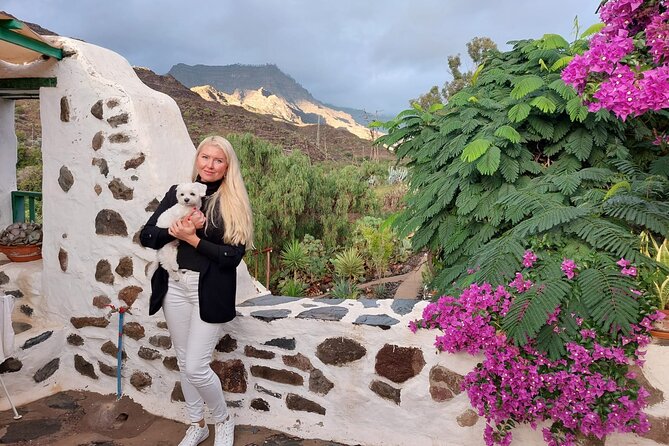
At $69.79 per person for about two hours, the price is in the “paid excursion” range, not a free walk-in experience. The good news is what you’re paying for: a restored 200-year farmhouse tour, a guided farm walk covering mangoes, avocados, soursops, cactus tunera, plus on-site vermouth tastings and a dessert option.
The value question is really about how much you care about food and local production. If you like tours that connect plants to what you drink and eat, this is a strong match. If you only want scenery and don’t care about tastings, it may feel pricey for the time.
You also get an easy start and finish rhythm. You meet at Los Pasitos, 2 and the activity ends back at the meeting point. That means you do not need to plan a complicated transfer out to somewhere remote.
And because it’s near public transportation, you’re not forced into complicated logistics just to get there.
How to pair it with Puerto de Mogán
This works well as a mid-day or early afternoon slot. Puerto de Mogán is close, and the pace is relaxed. If you’re staying in the area, you can do this before dinner and still have time to wander the waterfront afterward, or you can do it first and spend the rest of the evening eating in town.
Just note that dinner is not included. If you want to discover more gastronomy before or after, you can reserve at their Valle de Mogán restaurant, with dinner prices mentioned as around €30 to €50 per person.
Who this tour suits best, and who should think twice

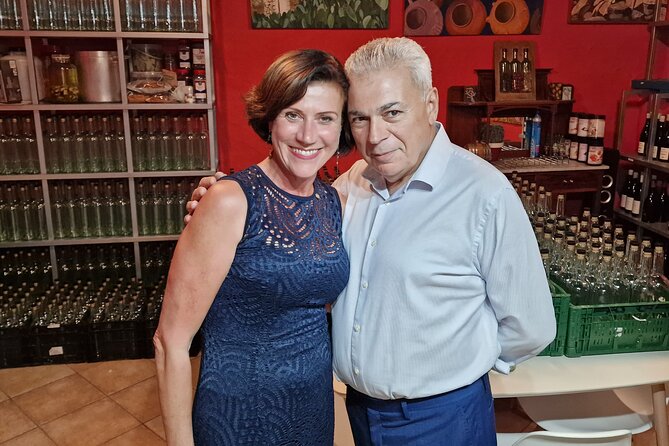
This is ideal for couples, small groups, and anyone who likes structured tastings without a hard sell. The group size is capped at 15, so you get a more personal feel than on big bus tours. It also helps if you enjoy chatting with the person running the operation.
From the experience description and the general tone of what people highlight, the owner’s passion and the chance to talk about production and ingredients are part of why it feels memorable. If you like asking questions, you’ll likely enjoy the back-and-forth.
Accessibility and comfort considerations
It’s not suitable for baby carriages and disabled people on the way down to the mango plantation. If you have mobility concerns, this matters more than the two-hour duration does.
Also, plan for a short walk. You are touring gardens and production areas, so comfy footwear is a good idea.
Should you book the Mogán mango farm and Lolito vermouth tour?
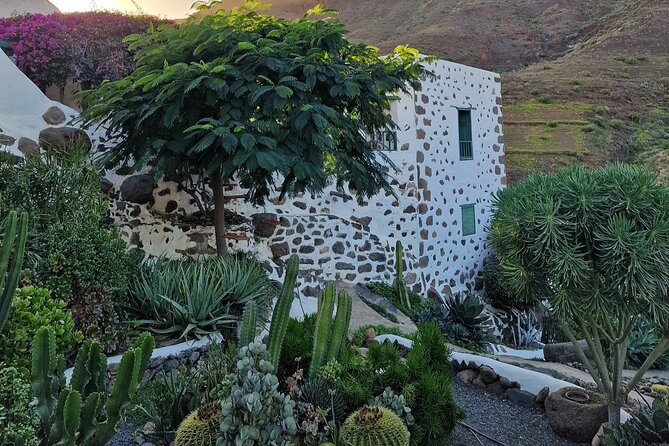
I think you should book it if you want a short, food-centered visit that feels local and calm. You get a restored farmhouse setting, a focused farm walkthrough with mangoes and cactus tunera, and then a guided vermouth tasting in white and red, finished with a mango-yogurt dessert that’s actually interesting.
Skip it if you want a big “scenic day” with only views and no tastings, or if your mobility needs make the plantation walk difficult. In that case, the format likely won’t match your day comfortably.
If you’re in Mogán and you’re craving something other than the usual beach routine, this one is an easy yes, especially for people who care about how the ingredients are grown and turned into something you can taste.
FAQ
How long is the tour?
It lasts about 2 hours.
What does the tour cost?
The price is $69.79 per person.
What language is the tour offered in?
The experience is offered in English.
Where does the tour start, and does it end nearby?
You start at Los Pasitos, 2, 35140 Mogán, Las Palmas, Spain, and it ends back at the same meeting point.
What is included in the price?
Water and toilet/bathroom/service are included.
Is dinner included?
No. Dinner is not included, and it’s listed as around €30 to €50 per person if you eat at the restaurant.
Is a vermouth and dessert tasting included?
Vermouth tasting is included, with both Lolito red and white. A cold mango and yogurt dessert with chocolate cubes is mentioned as an option.
Is the tour accessible for baby carriages or limited mobility?
It is not suitable for baby carriages and disabled people on the way down to the mango plantation.
What is the cancellation policy?
You can cancel for a full refund if you cancel up to 24 hours in advance of the experience start time.
Just added on Gran Canaria
- Family Monster 4 Seater Buggy
★ 5.0 · 1 review - Catamaran Eco Tours in Gran Canaria
★ 5.0 · 1 review - Flying Dress Photoshoot in Gran Canaria
★ 5.0 · 1 review - Cheese Workshop
★ 5.0 · 1 review - Canarian cheese tasting
★ 5.0 · 1 review - Private Transfer Gran Canaria Port to Gran Canaria Airport (LPA)
★ 5.0 · 1 review
Puerto de Mogan Excursions, compared.


From Mogán/Maspalomas/Arguineguín: Gran Canaria Day Tour
Read our review →

Puerto Mogán: Guided Adventure Kayak Tour in Caves & Snorkel
Read our review →

Kayaking Adventure Route with Snorkeling in Mogan Caves
Read our review →
Browse the lists this tour appears in