
Reviewed · GRAN CANARIA
Explore Gran Canaria’s Coffee at Finca Los Castaños
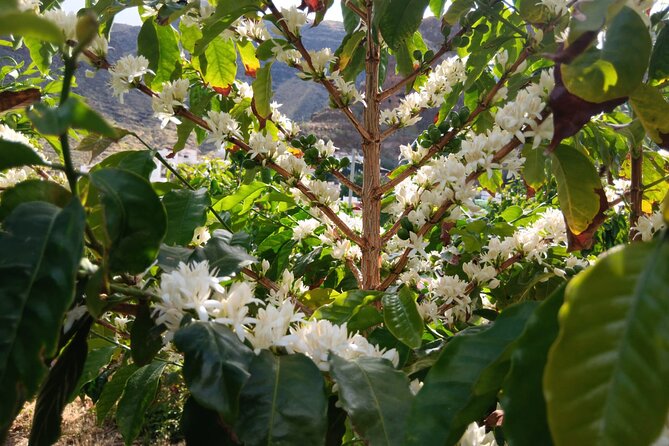
Coffee grows in Gran Canaria, not just imports. Finca Los Castaños sits in the Agaete Valley and explains how the farm turns harvested coffee into dried and roasted beans, with a tasting and time to browse the shop. Agaete Valley is the backdrop, and the process is the main event.
I love how the tour lays out the coffee journey, step by step, so you understand what you are tasting. Laura is one of the guides people single out for calm, friendly explanations, and the visit can work well even if you are traveling with young kids.
One possible drawback is weather and pacing. When it rains, the outdoor parts can get delayed and some people reported a lot of waiting time before the next moment of the tour.
In This Review
- Key things to know before you go
- Gran Canaria coffee, actually grown: why this farm tour feels different
- Inside Finca Los Castaños: plant to roasted bean, step by step
- The tasting and shop time: where the experience turns into something you can take home
- What the tour is like in 40 to 60 minutes
- Price and value: is $23.66 for a coffee farm tour a fair deal?
- Weather, waiting, and language notes to keep your day easy
- Getting there: near public transportation, with a mobile ticket
- Who should book this coffee farm experience?
- Should you book Finca Los Castaños?
- FAQ
- How long is the coffee farm tour?
- What is included in the ticket price?
- Is lunch included?
- Do I get a mobile ticket?
- Where does the tour take place?
- Will I get confirmation after booking?
- Is the tour suitable for most people?
- Are service animals allowed?
- Is the meeting area near public transportation?
- Does the guide speak French?
- Can I cancel for a full refund?
Key things to know before you go
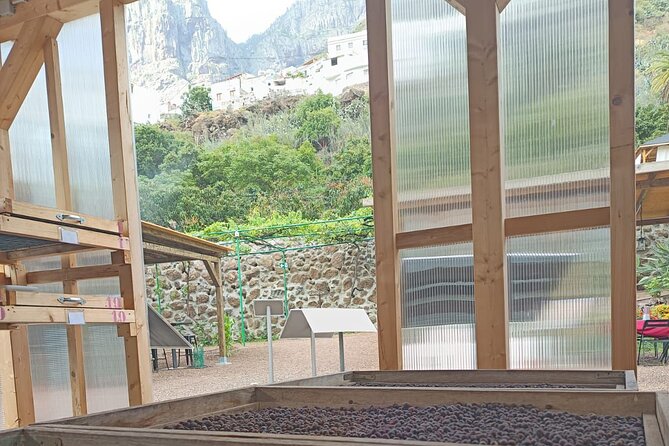
- Plant to roast in one visit, with harvesting, drying, and roasting explained clearly
- Freshly roasted coffee tasting, included with the experience
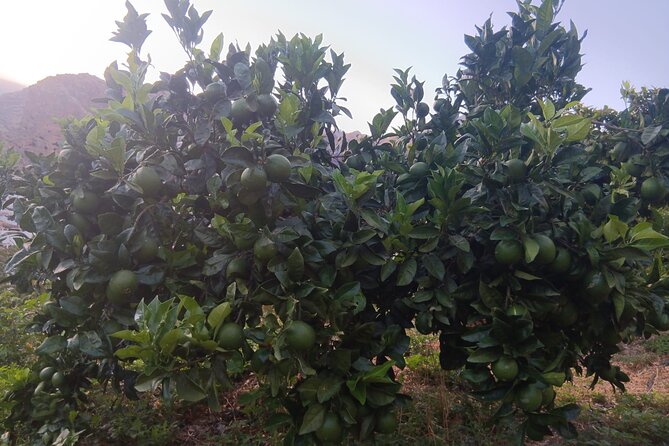
- Agaete Valley setting, in a real working farm with tropical crops around you
- Time to shop artisanal products, including items tied to the plantation
- Climate change is part of the talk, not just a sweet coffee story
- Rain can affect the schedule, so build in some flexibility
Gran Canaria coffee, actually grown: why this farm tour feels different
If you are spending time on Gran Canaria, it is easy to focus on beaches and quick sightseeing. This is different. At Finca Los Castaños in the Agaete Valley, the tour stays grounded in farming reality, showing you what coffee looks like at each stage, not just the final cup.
The setting also changes the mood. Instead of a classroom feel, you are walking through a working plantation area surrounded by nature and other crops. That matters because coffee is not magic. It is labor, patience, and climate choices. When the guide connects the dots between growth conditions and the roasted flavor, the tasting feels earned, not automatic.
You also get a practical benefit: you leave knowing what questions to ask next time you see Gran Canaria coffee on a menu or in a shop. Even 40 to 60 minutes can reset your coffee expectations.
A few more things to do on Gran Canaria
- Finca Los Castaños: Agaete Valley Coffee Tour & Tasting★ 4.4 · 57 reviews
- Coffee & Wine: North Route of Gran Canaria Tour★ 4.5 · 17 reviews
- Gran Canaria: Scenic Tour+Typical lunch+Wine/Coffee Tasting★ 5.0 · 1 review
Inside Finca Los Castaños: plant to roasted bean, step by step
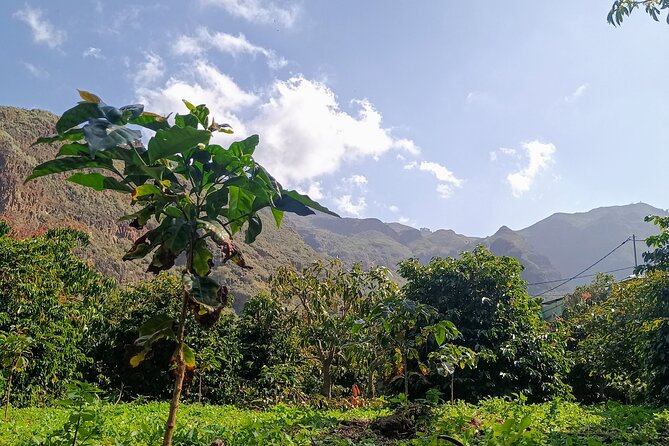
The core of the experience is an educational guided walk through the coffee farm in the Agaete Valley. You start with how coffee is cultivated in Europe, then you move along the production steps from the plant to the roasted bean.
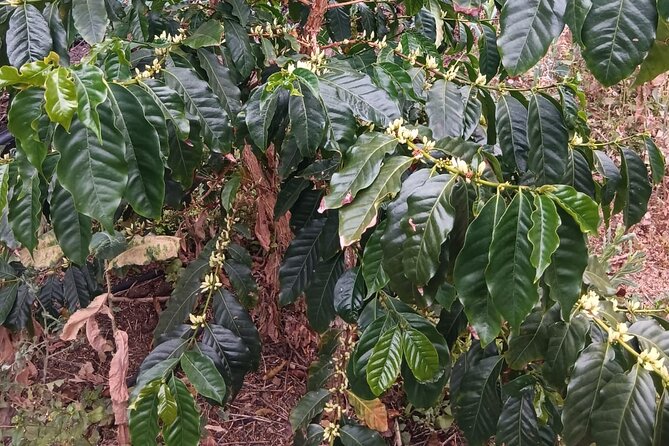
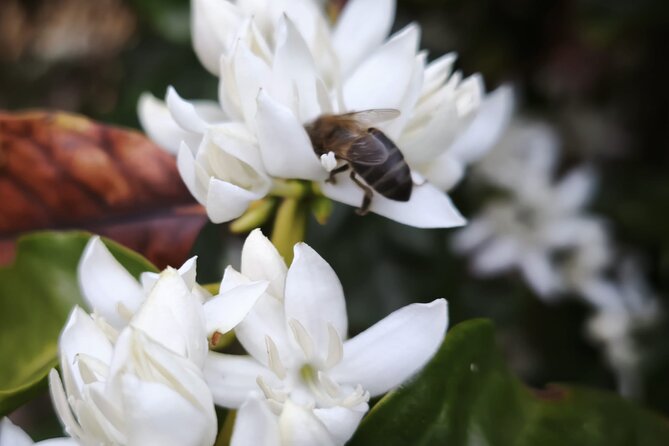
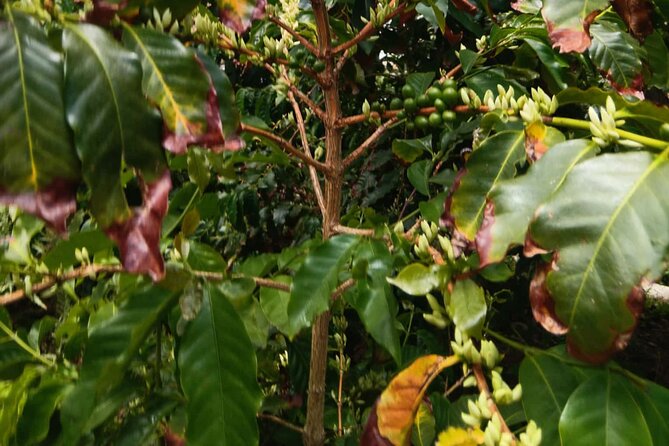
Here is what that usually means on the ground. You will see coffee growing on the plantation and learn how harvesting is done, then you get an explanation of drying and the roasting process. The guide frames these steps as more than a recipe, it is a chain where timing and conditions affect the final cup.
One thing that comes through strongly is that coffee farming here faces real challenges, including climate change. That point shows up in the way the tour is presented: the goal is not only to show you how coffee becomes coffee, but also why farmers have to adapt. It is the kind of practical context that makes the tasting more meaningful, especially if you are used to seeing food production as something distant.
The tasting and shop time: where the experience turns into something you can take home
After the farming walk, you get to taste freshly roasted coffee. Coffee and or tea are included, so you can expect at least one included drink tied directly to what you learned on the plantation.
This is where the tour pays off for people who like sensory details. Once you understand harvesting, drying, and roasting, you start noticing why one cup might taste different from another. The tasting is not just a sip-and-go. It is positioned as the moment that connects the farm story to the flavor in your cup.
You also get time to browse the local shop for artisanal products. This matters because the tour is not only educational, it is a chance to support small production and take home what you tasted. People mention homemade marmalades alongside coffee, and that combo is a good fit for anyone who wants something beyond a bag of beans.
A quick word of realism: shop items can be pricey compared to what you might find elsewhere. One note cited a coffee pack at 125 g selling for 12.50 euros, and another comment flagged products as expensive. If you are budget-minded, set a spending limit before you browse.
What the tour is like in 40 to 60 minutes
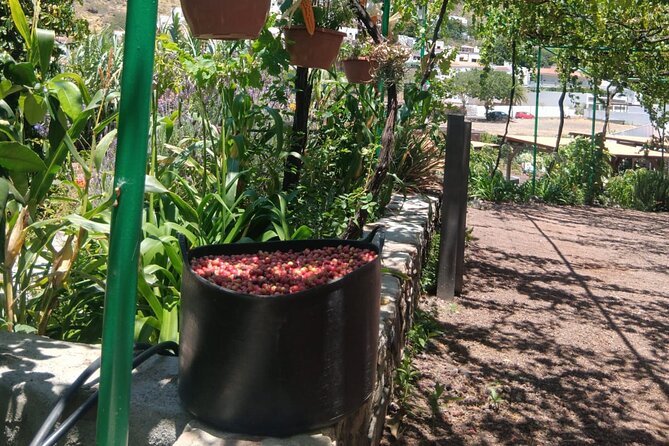
The tour runs about 40 minutes to 1 hour, and the pace is built around fitting the full coffee story into a short visit. That is a plus if you do not want a half-day excursion, but it also means the tour runs best when you are ready to follow along without expecting a slow, linger-everywhere style.
You start at Finca Los Castaños and move through the plantation with a guided explanation. Then you shift into the tasting portion and finish with time at the shop. The structure is simple, which makes it easier to understand even if you are not a coffee expert.
One practical tip: if you want to shop, do it with a plan. Spend a few minutes after the tasting deciding what you want, because the time is limited. If you buy coffee, keep the bag or packaging so you can remember what you liked when you use it later.
Other ways the day could go on Gran Canaria:



Price and value: is $23.66 for a coffee farm tour a fair deal?
At $23.66 per person, this is not a bargain tour, but it also does not try to be one. The key is what you actually receive for the money: the admission ticket is included, coffee and or tea are included, and you get a guided explanation that covers harvesting, drying, and roasting.
For this price, you are paying for three things that are hard to replicate on your own without a guide: access to a working plantation setting, a guided process explanation in a short time, and a tasting that follows the explanation. If you are someone who likes to connect a food product to the place it comes from, this is solid value.
If your main goal is only to drink coffee and buy something, it might feel less cost-effective. But if you want context, including the farm reality and climate change challenges, you are getting more than a café stop.
Also, note the one clear exclusion: lunch is not included. If you time it right, you can pair this with a meal later nearby, but you should not expect the tour to cover food beyond the included coffee and or tea.
Weather, waiting, and language notes to keep your day easy
This tour can be a joy when everything runs on schedule. It can also frustrate people when the timing stretches, especially due to rain.
One negative report described a lack of a warm welcome and a long waiting period, then rain returned heavily and the outdoor viewing never really clicked into place. The person left after a short tasting and crackers portion, and they clearly felt the time was poorly handled. Another comment also mentioned language limitations, saying the guide did not speak French.
So here is my practical advice. If your plans are tight, keep buffer time around the visit and expect that weather can change the flow. If you need a specific language, confirm the language options before you go, and do not assume French support.
In the best-case scenario, the tone is relaxed and friendly. People describe the plantation tour as interesting and informative without feeling rushed, and they specifically mention patient, kind hosting. That mix, when it works, is exactly why small farm tours can feel special.
Getting there: near public transportation, with a mobile ticket
You do not have to plan this trip like a complicated transfer. The experience is near public transportation, so it is often easier than you might expect to reach the finca without a private setup.
You also get a mobile ticket. That is helpful for day-of planning, because you can keep everything on your phone and avoid printed paperwork.
Service animals are allowed, and most people can participate. If you have mobility needs, the short duration helps, but the farm setting still means you should be prepared for uneven ground and some outdoor time. When rain affects the outdoor parts, you might spend more time indoors, but that depends on conditions.
Who should book this coffee farm experience?
This is a great match for people who like hands-on learning and do not mind that the tour is short. If you are the type who reads menus and wants to know where ingredients really come from, you will enjoy the plant-to-roast explanation.
I also think it fits well for families, because people mention the guide being patient with young kids. If you want a break from nonstop beach time and you are staying in the south, the Agaete Valley visit can feel like a refreshing change of pace.
It is less ideal if you need everything timed perfectly, especially outdoors. If you are going on a rainy day and cannot afford delays, consider whether you have the flexibility to wait out schedule hiccups.
Should you book Finca Los Castaños?
Book this tour if you want a clear, farm-focused coffee education with an included tasting, plus the chance to buy artisanal products that match what you learned. At $23.66, the value is strongest when you care about process, not just caffeine.
Skip it or book with eyes open if you are counting every minute or you are traveling with strong language needs, since one note flags French support as an issue. Also keep weather in mind, because rain has affected pacing for some people.
If you can handle a short, guided visit and you like learning where your food and drink come from, this one is easy to justify.
FAQ
How long is the coffee farm tour?
The experience runs about 40 minutes to 1 hour.
What is included in the ticket price?
Admission ticket is included, and coffee and or tea are included as part of the experience.
Is lunch included?
No, lunch is not included.
Do I get a mobile ticket?
Yes, you receive a mobile ticket.
Where does the tour take place?
It takes place at Finca Los Castaños in Gran Canaria, in the Agaete Valley.
Will I get confirmation after booking?
Confirmation is received at the time of booking.
Is the tour suitable for most people?
Most people can participate in this experience.
Are service animals allowed?
Yes, service animals are allowed.
Is the meeting area near public transportation?
Yes, it is near public transportation.
Does the guide speak French?
One note says the guide does not speak French, so you should plan based on available language options.
Can I cancel for a full refund?
Yes. You can cancel up to 24 hours in advance for a full refund, based on local time.
Just added on Gran Canaria
- Family Monster 4 Seater Buggy
★ 5.0 · 1 review - Flying Dress Photoshoot in Gran Canaria
★ 5.0 · 1 review - Catamaran Eco Tours in Gran Canaria
★ 5.0 · 1 review - Cheese Workshop
★ 5.0 · 1 review - Canarian cheese tasting
★ 5.0 · 1 review - Private Transfer Gran Canaria Port to Gran Canaria Airport (LPA)
★ 5.0 · 1 review