
Reviewed · SCUBA DIVING
PADI Open Water Course in Gran Canaria
Learning scuba sounds scary, until day one. This PADI Open Water course in Gran Canaria turns nerves into skills with a calm, step-by-step rhythm. I like that the necessary equipment is included, so you do not spend your trip shopping or guessing sizes. I also like the professional, patient instruction that keeps you focused on what to do next, not what might go wrong. One drawback to think about: it runs 3 mornings, and you are out until about 2pm, so plan the rest of your days around early starts.
In This Review
- What makes this course work in Gran Canaria
- Key things I’d bet on (before you book)
- Day-by-day scuba skill training in Gran Canaria (what you do, and why)
- Day 1: Confined water basics (pool time that makes you safer later)
- Day 2: Open-water confidence on a local beach
- Day 3: More open-water practice, more confidence
- Blue Water in the morning, and what to expect at the meeting point
- Equipment, manuals, certification, and what this includes
- How the instructor approach helps you learn faster
- How to prep so day one feels easier
- Family-friendly scuba training, with teens and first-timers in mind
- Price and value: is $549.09 a good deal?
- Should you book this PADI Open Water course in Gran Canaria?
What makes this course work in Gran Canaria
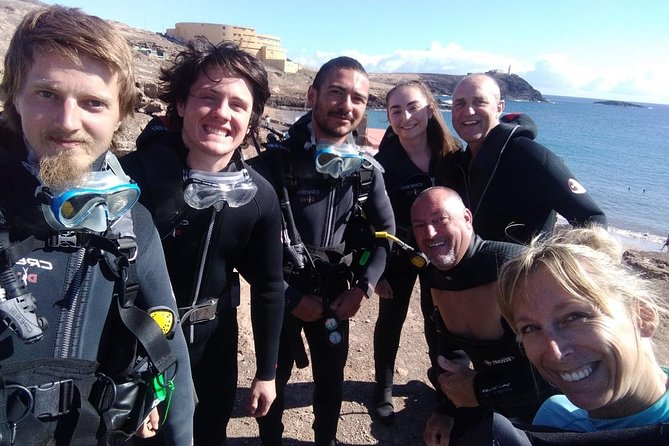
You start with confined water skills so your body learns the basics before you ever chase the fun stuff in open water. Then you head to the coast for relaxed practice, including going gradually down to around 12m, with time to build comfort and awareness. The pace is structured, and the group size is capped at 6 so you get hands-on attention without feeling like you are on an assembly line.
This is also a family-friendly option, with a minimum age of 10, which matters if you are traveling with kids or a teen who is ready for an active morning. Just note one more consideration, you will need to complete a health questionnaire, and some conditions can rule out participation.
Key things I’d bet on (before you book)
- Pool-first training means you learn gear handling in a controlled setting before the ocean
- Open-water practice to about 12m is gradual, so you build confidence instead of rushing
- Small group size (max 6) helps the instructor actually watch what you do
- Hotel pickup and drop-off is included for selected hotels, which saves you time
- Certification and insurance included, so you avoid surprise add-ons later
Other dives around the island:
- Scuba Diving Experience for Beginners in Gran Canaria★ 5.0 · 561 reviews
- Gran Canaria: Try Scuba Diving for Beginners★ 4.9 · 403 reviews
- Beginners Scuba Diving Experience in Gran Canaria★ 5.0 · 254 reviews
Day-by-day scuba skill training in Gran Canaria (what you do, and why)
This course is built around three days, each one running roughly 8:30am to 2pm. The schedule is straightforward on purpose. You show up, you learn, you practice, you reset for tomorrow. That regular rhythm is what helps most people calm down, especially if you are new to scuba basics.
Day 1: Confined water basics (pool time that makes you safer later)
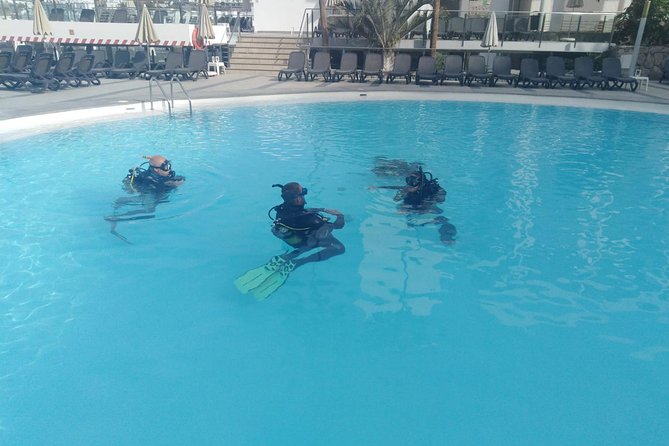
Day one is all about the fundamentals in confined water. Think wetsuit on, gear on, and then learning to handle the core setup underwater. You will practice with essentials like aqualung breathing through the regulator and using goggles underwater, plus the basic skills that you need to feel in control.
Why this matters: pool sessions are where your brain catches up. In the ocean, conditions are less predictable. In the pool, your only job is to learn how your equipment behaves and how your body reacts when you are breathing underwater. If you keep your head and follow instructions, you leave day one with real muscle memory instead of hope.
You also get theory during the course. It is not just reading quietly while everyone else swims. The goal is that you understand what you are doing and why you are doing it, so later skills are easier to remember when you are focused on what is happening around you.
Day 2: Open-water confidence on a local beach
After the first day, you head to a local beach for open-water sessions. You start with a wade-in and practice the skills you learned the day before. The progression is gradual, including going down to around 12m.
Why this matters: this is where you switch from practicing in one place to handling a real underwater environment. You are not just testing whether you can wear the gear. You are learning how to control your breathing, manage comfort, and pay attention to the world around you.
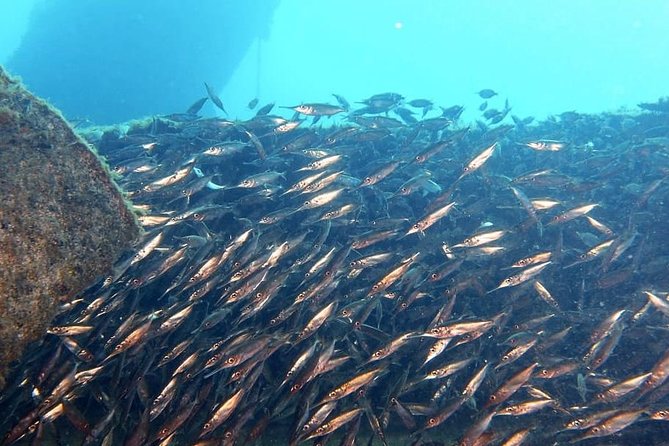
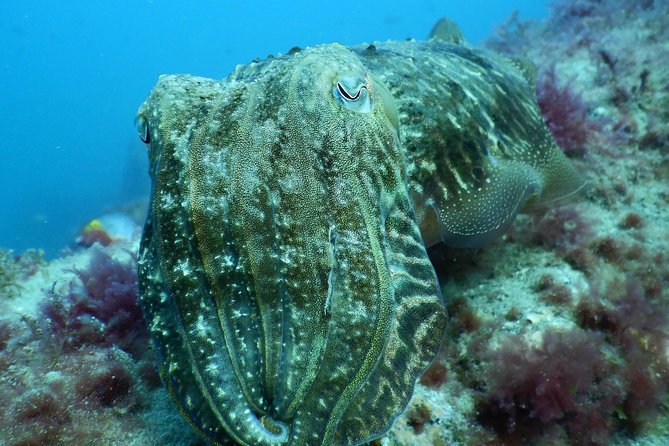
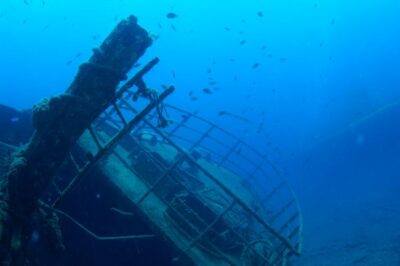
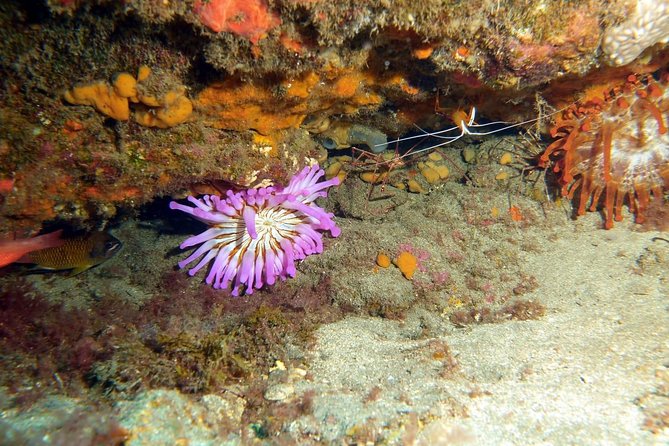
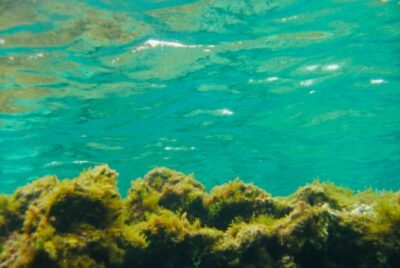
The sea also helps with motivation. You are likely to notice colorful marine life and see rock formations, which gives you a reason to keep your technique sharp.
One caution: because you are learning and building comfort, you still need to listen closely in the moment. This is not a “wing it” day. The whole point is to keep things relaxed and structured while you grow.
Other ways the day could go on Gran Canaria:


Day 3: More open-water practice, more confidence
Day three is another session day from the beach. By now, the skills you worked on in the pool are not so new anymore, so the focus shifts toward practicing until you feel steady doing it. This is also the day where you typically start trusting your own reactions more.
In practical terms, it feels like less time worrying about the gear and more time thinking about your safety checks, your control underwater, and following the instructor cues. If you do the small stuff well, the larger experience becomes easier to enjoy.
By the end, you have what you need to work toward PADI Open Water certification. You are not just leaving with photos. You are leaving with a structured education you can build on.
Blue Water in the morning, and what to expect at the meeting point
Your mornings start near 8:30am and you finish around 2pm, with the activity ending back at the meeting point. The meeting point is at Blue Water on Calle Olimpicos, C. Doreste y Molina, s/n, 35130 Gran Canaria, Las Palmas, Spain.
If you are staying in a selected hotel, you also get free pickup and drop-off, which is a big deal in a place like Gran Canaria where timing matters. Getting to the course without a lot of extra transport planning makes the whole thing less stressful, especially if you are traveling as a family.
Group size is capped at 6. That usually means you are not lost in a crowd. It also usually means the instructor can correct problems faster.
Equipment, manuals, certification, and what this includes
This course is priced at $549.09 per person, and the value here comes from what is bundled, not just the sticker price. You get:
- PADI Open Water Course
- All necessary equipment included
- Certification
- Insurance
- Printed or digital PADI Open Water Manual (depending on what you choose)
- Hotel pickup and drop-off (selected hotels only)
The practical win: you do not have to assemble a scuba kit before you start. That saves both money and time, and it reduces the awkward problem of getting the wrong size.
You should also know what is not included: food and drinks. Plan for that. Between 8:30am to 2pm, you will want to eat before you start and have a plan after.
How the instructor approach helps you learn faster
One of the strongest parts of this course is how it treats the nervous moments. The structure is designed to keep you moving forward even if you feel a little unsure at first.
Here is what that looks like in real terms:
- You learn the basics in confined water first, when it is easier to focus
- You practice those same skills in open water right after
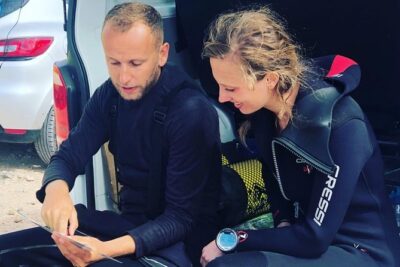
- The instructor keeps things patient and hands-on, so you are not guessing what to do next
- You are taught in a way that supports the PADI certification exams, not just a one-off experience
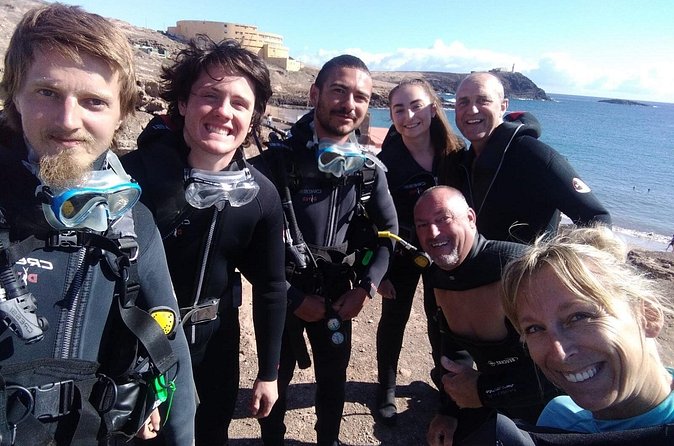
Small groups help a lot here. With a maximum of 6 students, you are more likely to get individualized feedback when you need it. That is the difference between someone watching you and someone teaching you.
How to prep so day one feels easier
This is a physical activity, even though it is not a workout class. The course asks for moderate physical fitness. If you can handle getting in and out of water, staying calm while wearing gear, and paying attention for a few hours, you are probably a fit.
Also read the health details closely. You will be asked to complete a health questionnaire before you dive (your participation can depend on your answers). If you have conditions like asthma or heart problems, you should talk to a doctor first and be ready for the possibility that you may not be cleared.
One more practical note: diving within 48 hours of flying is not recommended. So if your trip has short flight connections right before your course, adjust your dates if you can.
Family-friendly scuba training, with teens and first-timers in mind
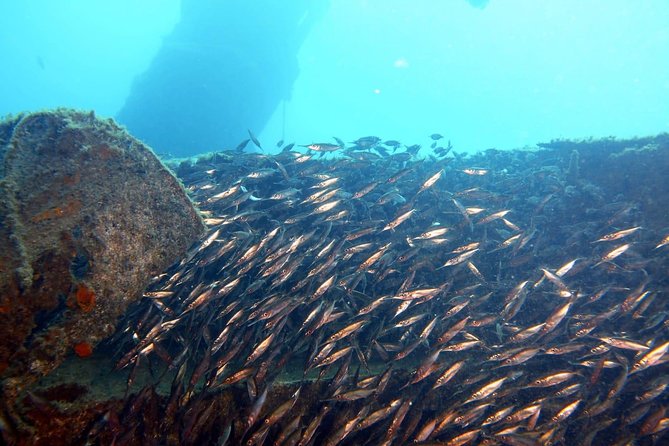
This is built to be family friendly, with a minimum age of 10. That does not mean it is automatically easy for every kid. It does mean the structure is designed for real students, including younger ones, with enough guidance to learn step by step.
If you are bringing a teen or a younger diver-in-training, the early pool day is especially useful. It gives them a chance to learn gear basics without the added pressure of waves or a wide-open ocean.
If you are an adult who thought scuba might be too intense, the pool-to-beach progression is often what flips the switch from fear to curiosity. You are not thrown into the deep end emotionally or technically.
Price and value: is $549.09 a good deal?
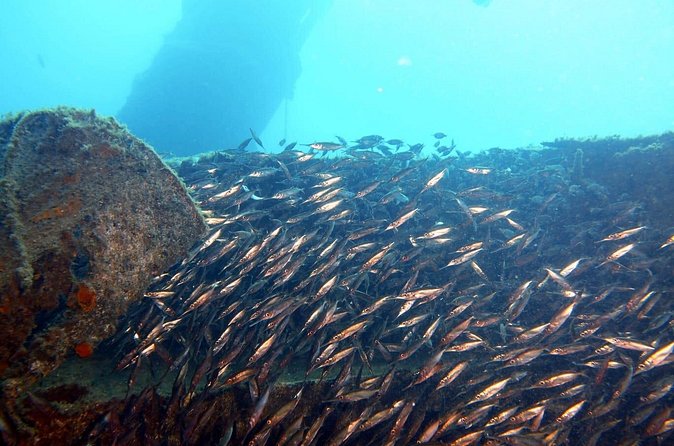
At $549.09 per person for about 3 days, the value depends on what you expect to pay for yourself.
What is included helps justify the cost:
- You get certification and insurance
- You get equipment
- You get hotel pickup/drop-off for selected hotels
- You get the course materials (printed or digital manual)
- You get structured instruction across multiple sessions
What costs extra:
- Food and drinks
So if you were thinking you might need to rent gear or hunt for lessons on your own, this package is often the easier route. You avoid a bunch of small, annoying expenses that can add up fast.
If you are the type who wants to spend your time on one big excursion rather than three mornings of training, you might feel the price is higher than a single-day outing. But if you want skills you can keep using, the bundled certification makes the price make more sense.
Should you book this PADI Open Water course in Gran Canaria?
I’d book it if you want a clear path from first-time gear handling to real comfort in open water, with patient instruction and a small group size. It is also a solid choice if you want your travel day to be easier thanks to pickup and drop-off and included equipment.
Skip it or recheck your fit if:
- you cannot meet the moderate fitness expectations
- you have health conditions that could block participation after the questionnaire
- you are hoping for a short, casual experience with no learning curve (this is a course, not a one-hour try-out)
- you will not be able to handle early mornings for three days
If you are curious about scuba and want the confidence that comes from structured training, this is the kind of course where you start out unsure and end up able to repeat the basics with a plan.
Just added on Gran Canaria
- Family Monster 4 Seater Buggy
★ 5.0 · 1 review - Catamaran Eco Tours in Gran Canaria
★ 5.0 · 1 review - Flying Dress Photoshoot in Gran Canaria
★ 5.0 · 1 review - Cheese Workshop
★ 5.0 · 1 review - Canarian cheese tasting
★ 5.0 · 1 review - Private Transfer Gran Canaria Port to Gran Canaria Airport (LPA)
★ 5.0 · 1 review
Scuba Diving, compared.
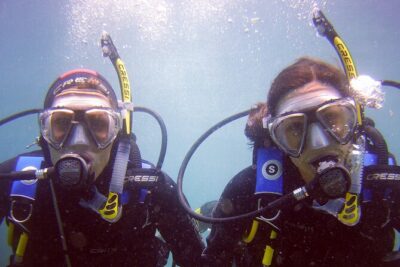
Scuba Diving Experience for Beginners in Gran Canaria
Read our review →
Beginners Scuba Diving Experience in Gran Canaria
Read our review →
Live an Adventure and Learn to Dive with Expert
Read our review →
2 Dive Package for Qualified Divers in Gran Canaria
Read our review →Browse the lists this tour appears in