
Reviewed · GRAN CANARIA BANANA PLANTATION TOURS
Gran Canaria: Banana World Guided Tour & Tasting
Bananas sound simple, then the farm explains the science. A guided visit at Hacienda La ReKompensa turns a fruit stop into a short, sweet tour with Atlantic views and real cultivation details. I like how it stays focused, moving from plants to products without dragging.
What I’d pick for you is the chance to see the orchard-scale operation first hand, with more than 7,000 banana plants on show. And you get a tasting component at the end, so you’re not just looking, you’re also sampling Canarian banana creations.
One consideration: this is not a long walk for everyone, but it still involves uneven outdoor paths. If you have mobility issues, it’s listed as not suitable, so plan accordingly.
In This Review
- Key things to know before you go
- Banana World at Hacienda La ReKompensa: why this tour clicks
- Finding the meeting point and settling in without stress
- Museo del Platano: the smart warm-up before you walk the fields
- The guided farmland walk: 7,000+ banana plants and 13 varieties
- Cultivation techniques on display: what makes Canarian growing different
- Views you actually get to enjoy: ocean and farm greenery
- The Interpretation Center and shop in the 1804 house
- Banana tastings: fun sampling, not just one flavor
- Pricing and value: is $17 a good use of your time?
- Who should book Banana World, and who might skip it
- Should you book Banana World on Gran Canaria?
- FAQ
- How long is the Banana World guided tour and tasting?
- Where does the tour start, and where do I meet the guide?
- What is included in the price?
- What languages are the tour guides available in?
- What should I wear or bring?
- Does the tour run in bad weather?
- Is this activity suitable for people with mobility impairments?
Key things to know before you go
- 13 banana types in one visit, plus other fruit trees grown on the same grounds
- 56,000 square meters of farm area, including farmland with ocean-facing views
- Tastings of Canarian banana products like jams and banana wine, along with juices and other specialties
- A restored 1804 Canarian house houses the Interpretation Center and shop
- A short guided format (about 40 minutes total), with room for questions
- Comfortable shoes matter, since you’ll be on outdoor paths rain or shine
Banana World at Hacienda La ReKompensa: why this tour clicks
Gran Canaria does tropical fruit in a very practical way. This tour helps you understand how the island actually grows bananas, instead of treating bananas like a supermarket mystery. In a short time, you connect the plant you see in the field with the foods and drinks you can taste later.
I especially like the balance: you get farm visuals, then you get interpretation that explains what’s happening and why. And because it is only about 40 minutes, it fits into a day of beach time and sightseeing without feeling like you’ve committed to a half-day excursion.
If you’re the type who thinks banana tours might be dull, don’t write it off. The best part is not the word banana. It’s the mix of botany, farming technique, and Canarian culture that comes through when a guide walks you through what gets planted, how it grows, and what gets harvested.
Other banana plantations to visit:
- Guided tour of the Banana World★ 5.0 · 3,431 reviews
- Gran Canaria: Rum, Wines and Banana Tour★ 4.6 · 261 reviews
- Banana Museum, Rum Distillery & Winery with Tasting: Premium tour★ 4.5 · 62 reviews
Finding the meeting point and settling in without stress
You’ll start at Hacienda La ReKompensa. When you arrive, head for the big parking area by the estate, then follow the signs that say Banana Museum. Meet your guide inside the museum.
This matters because the farm is the whole point, so you want to be positioned early enough to avoid feeling rushed when you get your bearings. It also helps that the tour includes a short safety briefing as part of the museum time, so the group can get moving together.
Plan for the fact that the tour runs rain or shine. The guidance is simple: wear comfortable shoes. On a banana plantation, that usually means you’ll want footwear with good grip and a bit of comfort for walking on outdoor surfaces.
Museo del Platano: the smart warm-up before you walk the fields
The tour begins at Museo del Platano, where you’ll get a guided visit that sets the scene. This is where you’ll likely see how banana production works on the Canary Islands, plus the context that makes the farm feel more than just a collection of plants.
There’s also time for local snacks during this start section. That’s a small detail, but I find it makes the farm portion feel friendlier, like you’re settling in rather than rushing straight outside. You also get the safety briefing here, so you can pay attention during the first part of the tour instead of worrying about what to do next.
What I like for you: this start phase helps you spot what you’ll be hunting for later, like different varieties and how cultivation affects what you see in the plants. If you’re the kind of traveler who enjoys “spotting” details once you understand what to look for, you’ll get more out of the walking portion.
The guided farmland walk: 7,000+ banana plants and 13 varieties
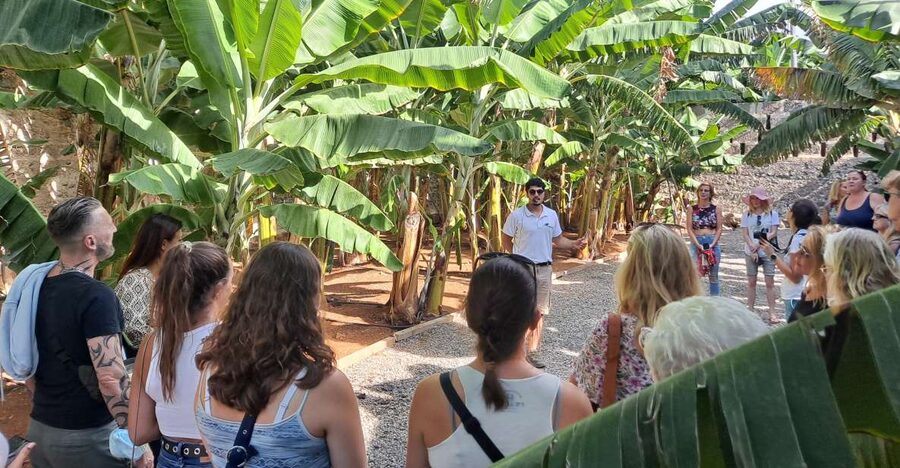
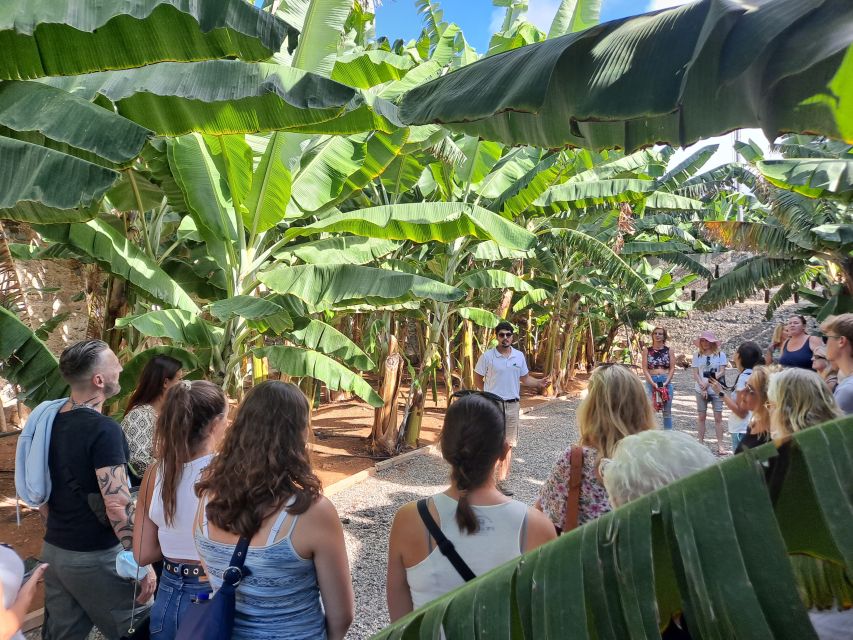
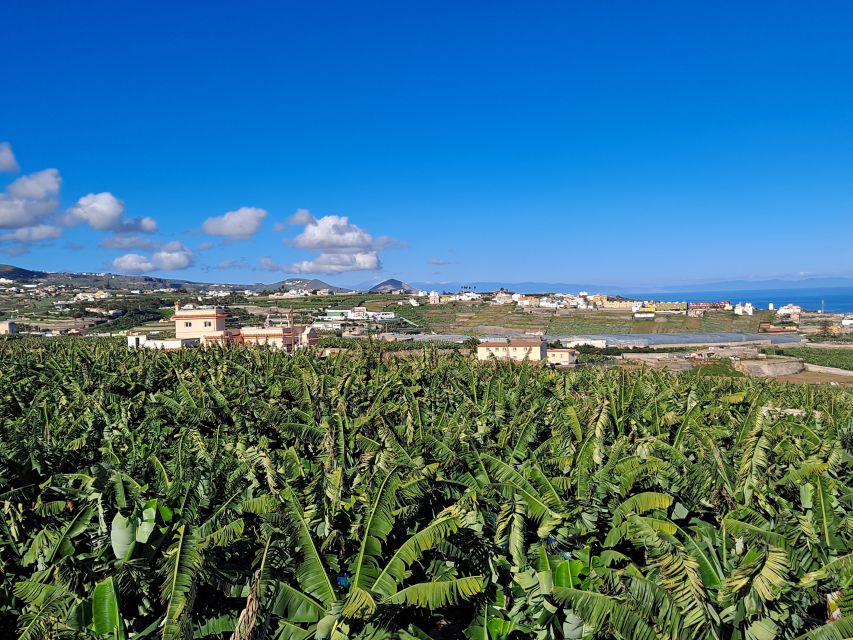
Once you’re outside, you’re in the heart of it. The grounds span over 56,000 square meters, and the farm grows more than 7,000 banana plants. That scale is what makes the tour worth doing in person.
The guided part is designed to point out plant variety, not just general farming. One of the highlights is learning about thirteen different types of banana grown on the property. For many people, that’s the “wait, bananas aren’t all the same” moment.
You’ll also see other crops grown alongside bananas. The farm has 150 avocado trees, plus other fruit trees. That variety matters because banana farming here is part of a wider agricultural setup, not a single-crop theme park. It’s an easy way to understand why the plantation looks lush and mixed, even when you’re focused on one specific fruit.
You may notice how the guide talks through cultivation techniques in a way that links directly to what you see in the plants. That’s the practical payoff. The tour doesn’t just show leaves. It connects leaves to how fruit gets produced on this island.
More Canarian guachinches, bodegas and counters:



Cultivation techniques on display: what makes Canarian growing different
The tour’s core promise is learning how bananas are cultivated and harvested in the Canary Islands. You’ll hear about the cultivation techniques behind the Canarian banana crop, and you’ll see enough of the farmland to connect the explanation to the visuals.
This is a good use of your time because banana farming is not “set it and forget it.” It’s an ongoing process, and the island’s approach has evolved around climate, soil, water needs, and the realities of harvest and export.
I like that the tour frames banana growing as something that’s both agricultural and cultural. The Canary Islands have been linked to banana production for a long time, so you’re not only learning how a plant grows. You’re also learning how the island developed a farming identity around it.
One small caution, though: because this is an outdoor visit, you’ll want to be comfortable standing and walking for short stretches. You don’t need hiking gear, but you do need shoes that can handle uneven ground.
Views you actually get to enjoy: ocean and farm greenery
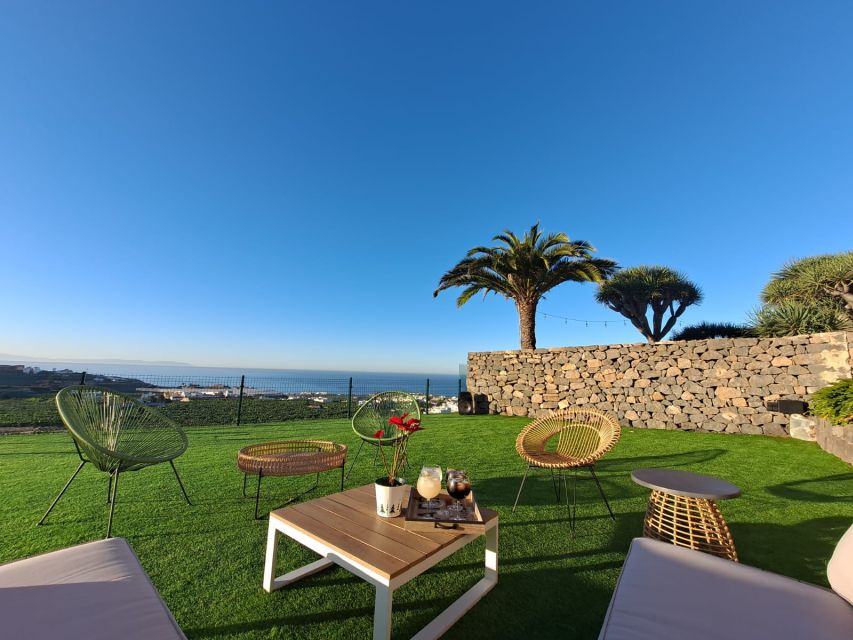
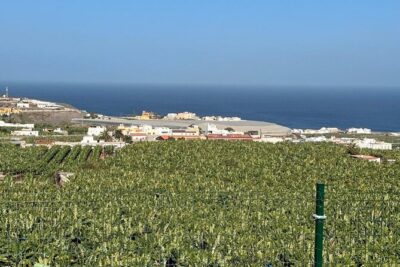
One reason people love returning is simple: the property has beautiful views over the Atlantic Ocean. The farm is not flat and featureless. You get sightlines that show the plantation’s greenery stretching out, and that helps the explanation stick in your memory.
I find it helps to bring a curious mindset. When the guide points out plant types, you also get an immediate sense of how the orchard is laid out and how the vegetation fills the space. If you’re traveling with someone who likes photos, this is one of those moments where you’ll have more than one good angle without trying too hard.
And even if you’re not a big camera person, the views add a sense of place. It’s much easier to care about farming details when the scenery makes you slow down.
The Interpretation Center and shop in the 1804 house
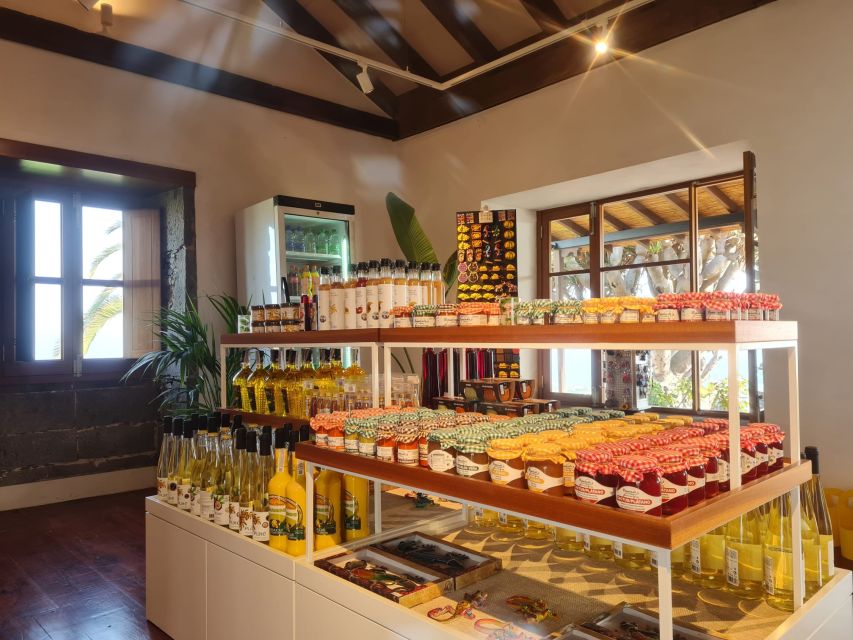
After the main walk and museum time, you’ll spend time at the Interpretation Center and shop, housed in a restored Canarian house dating back to 1804. This is where the experience shifts from “look and learn” to “understand and take something with you.”
The setting also matters. A restored older building gives the tour a sense of continuity, like the farm’s story is being told within a local framework. Even if you’re not a history buff, you’ll feel the place has roots rather than being assembled purely for visitors.
This is also where the tasting and product range show up clearly. You’ll try a selection of artisanal items made with Canarian bananas, including:
- jams
- banana quince
- banana wine
- cosmetic products
Depending on what’s on offer that day, you might also find juices and other banana-based drinks. One of the nice parts is that you can sample multiple styles, from sweet spreads to alcoholic options.
Banana tastings: fun sampling, not just one flavor
The tasting is a major part of the value. You leave with a better sense of how banana becomes a whole range of products, not only a raw fruit.
I’d set expectations like this: the banana flavor can be subtle in some items. For example, one visitor noted that even when tasting jams or alcoholic drinks, the banana taste wasn’t overpowering. That can be a plus if you prefer fruit flavors that feel balanced rather than straight banana candy.
If you’re a wine or liqueur fan, the idea of banana wine and other banana-based drinks should make this tour especially appealing. If you’re not into alcohol, you can still enjoy the non-alcohol options like jams and other banana products, and you’ll still get the learning payoff from the farm walk.
Also, keep your “go slow” mindset here. The tasting is meant to be part of the experience, not a fast line checkout. Take a moment to compare flavors, then connect them back to what you learned in the fields.
Pricing and value: is $17 a good use of your time?
At $17 per person for a 40-minute guided tour with tastings, this is priced like a short add-on rather than a full-day attraction. The question is whether it’s “worth it” compared with other things you could do on Gran Canaria.
Here’s what makes it strong value:
- You’re paying for a guided farm experience, not only a museum stop.
- You’re getting multiple banana products to taste, not a single sample.
- You’re seeing real scale, with thousands of banana plants and additional crops like avocados.
- You get information plus a shop you can browse with context.
If your goal is a quick, low-commitment cultural stop that tastes like something local, this is a very reasonable pick.
Where it might not match your style: if you strongly prefer long, sweeping tours or large guided group experiences, this one will feel compact. But that “short and focused” format is exactly why it works for many busy itineraries.
Who should book Banana World, and who might skip it
You’ll probably love this tour if:
- you want a short, guided activity with a clear educational angle
- you’re curious about how bananas are grown on Gran Canaria
- you like tastings and want to try Canarian banana products
- you enjoy viewpoints that pair plants with ocean scenery
This tour is a weaker fit if:
- walking outdoors is difficult for you, since it’s listed as not suitable for people with mobility impairments
- you already feel fully educated about banana cultivation and only want raw fruit tasting in a market setting
If you’re traveling with kids, it often helps that the tour is short, question-friendly, and focused on something familiar but surprising in details. And if you’re a food-focused traveler, the tasting and shop make the learning feel rewarding.
Should you book Banana World on Gran Canaria?
If you want a practical, local experience that mixes farm education with a proper tasting, I’d book it. The scale of the plantation, the specific mention of thirteen banana types, and the chance to try banana jams and banana wine make this more than a quick photo stop.
Do it sooner rather than later in your trip if you enjoy learning before you shop. Once you understand how the bananas are grown and how they become products, it’s easier to choose what to buy in the shop with confidence.
Finally, come prepared to walk a bit, take in the views, and ask questions. This kind of tour gets better when you lean into it, especially during the guided sections.
FAQ
How long is the Banana World guided tour and tasting?
The activity is listed as lasting 40 minutes.
Where does the tour start, and where do I meet the guide?
Meet at Hacienda La ReKompensa. Go to the big parking area by the estate, follow signs for Banana Museum, then meet your guide inside the museum.
What is included in the price?
Included are entry tickets to Hacienda La ReKompensa, a guided tour, and banana tastings.
What languages are the tour guides available in?
The tour is offered in English and Spanish.
What should I wear or bring?
Wear comfortable shoes for walking on the farm grounds.
Does the tour run in bad weather?
The tour will take place rain or shine.
Is this activity suitable for people with mobility impairments?
No, it is listed as not suitable for people with mobility impairments.
Just added on Gran Canaria
- Family Monster 4 Seater Buggy
★ 5.0 · 1 review - Catamaran Eco Tours in Gran Canaria
★ 5.0 · 1 review - Flying Dress Photoshoot in Gran Canaria
★ 5.0 · 1 review - Cheese Workshop
★ 5.0 · 1 review - Canarian cheese tasting
★ 5.0 · 1 review - Private Transfer Gran Canaria Port to Gran Canaria Airport (LPA)
★ 5.0 · 1 review
Gran Canaria Banana Plantation Tours, compared.
Banana Museum, Rum Distillery & Winery with Tasting: Premium tour
Read our review →
Banana Museum, Rum Distillery & Winery guided tour with tasting
Read our review →
Browse the lists this tour appears in