
Reviewed · GRAN CANARIA BANANA PLANTATION TOURS
Guided tour of the Banana World
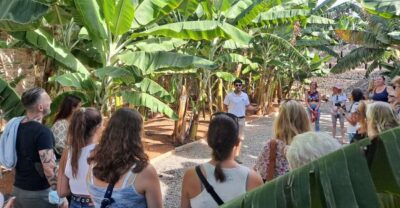
There is something oddly fun about a banana tour. At Banana World in Arucas (Gran Canaria), you get a guided walk through the farm, a look inside a restored 1804 Canarian house, and a tasting lineup built around banana products. The whole thing runs in about an hour, in English, and ends where it starts.
I really like two things here. First, the guide-led pace works well for a short stop, and guides like Dani, Fatima, Ion, Maria, and John come across as friendly and clear. Second, the food and drink add real value, with banana-based wines and snacks that go beyond the usual jam-in-a-jar story.
One thing to consider is group size. If your tour lands near the max (up to 40 people), the shared listening space can get crowded fast, so you might not hear every detail.
In This Review
- Key Highlights You’ll Actually Care About
- Banana World Quick Pitch: Farm Walk Plus an 1804 Canarian House
- How the 50-60 Minute Tour Works (and what you’ll notice first)
- Trasmontaña Stop: What the Farm Tour Teaches You
- The Included Tastes: Banana Wine and Three Snack Bites
- Price and Value: Why $18.14 Can Feel Like a Win
- Meeting at Cam. del Laurel: Simple, but Follow the Right Spot
- Group Size Reality: When 40 People Helps, When It Hurts
- English Guidance and Question Time
- What You’ll See in the Shop (and what to buy with your tasting brain)
- Views, Timing, and Weather: Plan This as a Calm Break
- Who This Banana World Tour Suits Best
- Book or Skip: My Practical Take
- FAQ
- How long is the Banana World guided tour?
- Is the tour offered in English?
- What’s included in the ticket price?
- Do I need a car to get there?
- Where do I meet for the tour?
- What group size should I expect?
- Can I get a refund if the weather is bad or I change my plans?
- Is the tour suitable for most travelers?
Key Highlights You’ll Actually Care About
- A restored 1804 house inside the banana farm grounds, with an interpretation center and shop
- Banana wine tastings plus multiple snack bites tied to banana flavors
- About 50 minutes to 1 hour, so it fits easily between beaches and dinners
- Maximum 40 travelers, which can be great for energy or cramped for questions
- English-guided visit with time for questions and a guide-led explanation you can follow
- Parking fees included (handy if you’re driving), with a start near public transport
Banana World Quick Pitch: Farm Walk Plus an 1804 Canarian House
If you’re picturing a banana tour as mostly photos and a quick shop stop, this one surprises you. The guided portion is short, but it’s built around two strong anchors: the living banana farm and a restored Canarian home dating to 1804. That combo matters, because you don’t just learn what bananas look like, you also learn how cultivation fits into local life and architecture.
The restored house part is where the visit turns from casual to genuinely useful. It includes an interpretation center, so the guide can tie what you see outdoors to what you’re learning indoors. Then the shop wraps the whole experience into something you can take home, like banana jam, banana-based cosmetics, and banana wine.
Other banana plantations to visit:
- Gran Canaria: Banana World Guided Tour & Tasting★ 4.8 · 2,867 reviews
- Gran Canaria: Rum, Wines and Banana Tour★ 4.6 · 261 reviews
- Banana Museum, Rum Distillery & Winery with Tasting: Premium tour★ 4.5 · 62 reviews
How the 50-60 Minute Tour Works (and what you’ll notice first)
The timing is one of Banana World’s best practical features. You’re typically looking at 50 minutes to 1 hour, and the experience ends back at the same meeting point. That means you can treat it like a focused “activity block,” not a half-day commitment.
Here’s the flow you should expect:
- You meet at the listed address on Cam. del Laurel in Arucas.
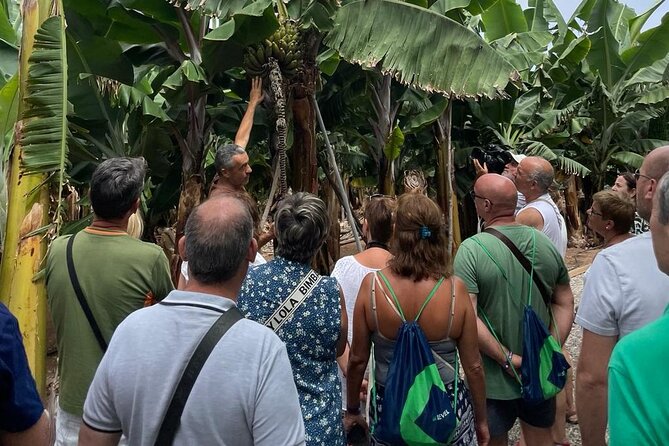
- You get a guided experience through the farm area, with a stop that highlights cultivation and the banana plant story.
- You move into the house area for the interpretation and shop experience.
- The tour finishes with the included tastings and snack bites.
This is also the kind of tour where you can ask questions and actually get answers, because the format is designed around a guided walk plus a close ending. Even better, some guides create a chatty vibe, with humor that keeps everyone listening without turning it into a lecture.
Trasmontaña Stop: What the Farm Tour Teaches You
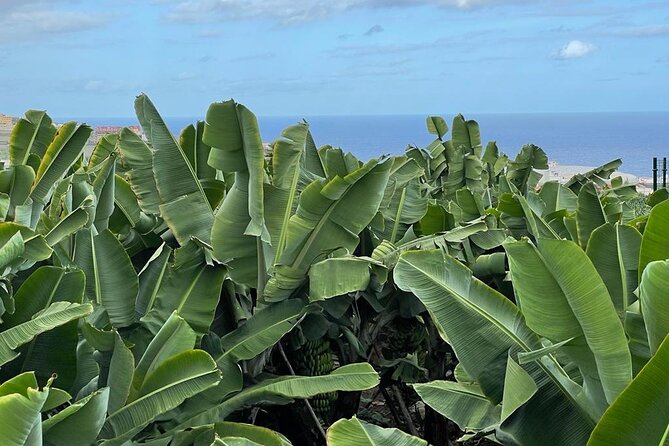
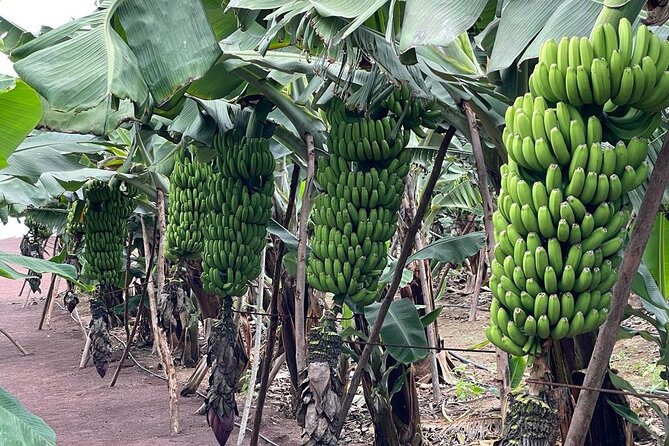
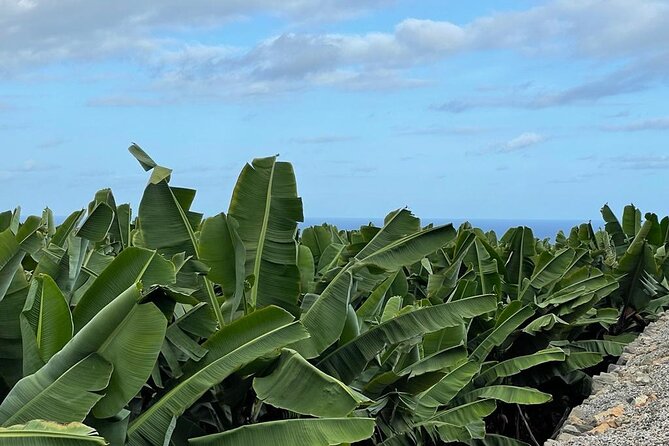
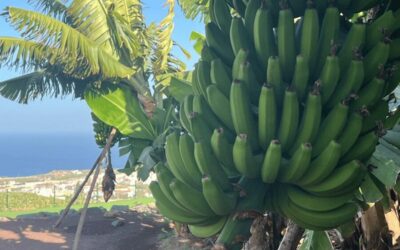
The heart of the experience happens at Trasmontaña, at the banana museum and farm. The guide leads you through banana cultivation, and the goal is simple: make bananas feel less like a grocery product and more like a real plant with a real growing routine.
What you’ll get to see and learn centers on:
- How banana plants are grown and managed on Gran Canaria
- What makes cultivation work in this island setting
- How local traditions and island production shaped banana-based foods and drinks
The restored house from 1804 is not just decorative. It’s part of an interpretation center that helps translate the farm walk into something you can remember later. You’re standing in the living place where the plant grows, then stepping into a space that explains it, so the information sticks.
Then there’s the shop and sampling setup. This isn’t a showy tasting circus, but it’s structured in a way that encourages you to compare flavors. That makes it a fun stop if you like trying food products, but it’s also good if you’re just curious. Either way, you leave with a clearer picture of why banana products taste like they do.
The Included Tastes: Banana Wine and Three Snack Bites
Let’s talk about the part your mouth will remember. The ticket includes:
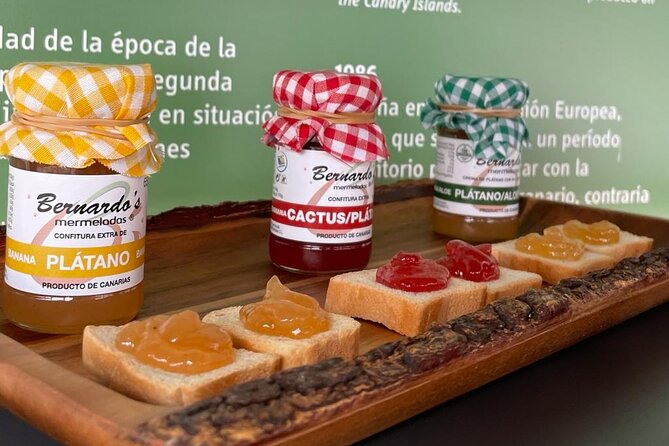
- Banana-based wine tastings made in the Canary Islands
- Snacks, including montaditos paired with banana products like banana jam, banana with cactus, and banana with aloe vera
- Parking fees
Coffee and tea are not included, so if you want something warm after, plan to buy it on-site or elsewhere nearby.
Why this matters for value: a lot of short tours try to keep costs down by limiting food. Here, the tasting is built into the experience and it directly relates to the farm and local production story. That means you’re not just paying for a walk, you’re paying for a guided explanation plus edible proof.
Also, the tasting portion is often where guides show their personality. People describe the tastings as a highlight, and names that repeatedly come up for a friendly, clear presentation include Steven, JC, Ion, Maria, and Dani. If you get one of those styles of guides, the end of the tour can feel like a small, well-run food stop rather than an obligatory sample.
A few more things to do on Gran Canaria

Price and Value: Why $18.14 Can Feel Like a Win
At $18.14 per person, the first question is always the same: is it worth it or just a gimmick?
For me, it’s worth it because the tour is short, but not empty. You get real guide time, a farm and house visit, and an included tasting with alcohol. You’re also not paying separately for parking, which matters if you’re not walking in from the city.
A few value notes to keep you grounded:
- It’s an under-1-hour experience, so you’re not paying for a long sit-down.
- You do not get private transport, so if you’re coming from far away, you’ll want to factor in transit time.
- If you’re the type who wants nonstop narration for the full hour, you may feel the pace is quick. But if you want a focused overview and samples, the length is a strength.
One practical plus: the tour is described as easy for most visitors to participate in. It’s not described as a strenuous trek. You’re walking a portion of the plantation with the guide, then you can have more time on the property afterward, which some people found helpful.
Meeting at Cam. del Laurel: Simple, but Follow the Right Spot
The meeting point is listed on Cam. del Laurel, 7, Arucas (Las Palmas), and the tour ends back at the same place. That sounds easy, but there’s one common snag: the lane and entrance area can be easy to misread, especially if your map pin lands you near the wrong spot.
Two practical tips based on real-world guidance you should use:
- When you arrive, head toward the entrance/shop area rather than waiting on the outside meeting point.
- If you’re using a mobile map pin, double-check the address and follow signs or staff instructions on arrival.
If you’re coming from the cruise port area, you can reach it by public bus. One traveler laid out a workable route that starts with the blue 210 bus toward Arucas, using a stop like El Lomito and then walking to the entrance on Cam. del Laurel. For returning, the same 210 line picks up across the street from where you were dropped off. It takes longer than a private shuttle, but it’s doable, and the directions were detailed enough to make the bus option feel manageable.
If you’re driving, parking fees are included, so you don’t have to add that cost mentally.
Group Size Reality: When 40 People Helps, When It Hurts
The tour caps at 40 travelers, and that number drives two very different experiences.
In good conditions, a group that size can be lively, social, and fun, especially during the tastings. Some guides bring energy and humor, which tends to keep everyone engaged.
In crowded conditions, the downside is simple: you can lose clarity in the farm walk. There are reports of groups feeling too large for the amount of guiding space, making it harder to hear explanations properly. If you’re sensitive to noise, or you really want to capture every detail, aim for a smaller group tour time if you can. If you can’t, go in with the right expectations: you’ll still get the main farm story and tastings, even if the fine details are harder to catch.
English Guidance and Question Time
This tour is offered in English, and that matters on Gran Canaria because you’ll often find more mixed language groups than you expect. The English-speaking delivery here seems to land well with most visitors, and guide styles get called out by name.
What I like about the format is that it’s not just a walk-by slideshow. People note that there’s time for questions and that the guide explains how banana plants are grown in a way that makes the fruit feel real. The interpretation center inside the house also gives the guide a place to point, explain, and keep your attention.
If your goal is to learn something you can actually use at home, this is one of the better formats for it. You come away with a stronger understanding of cultivation and what those banana products are based on.
What You’ll See in the Shop (and what to buy with your tasting brain)
The shop is part of the experience, and it’s worth planning for. You don’t have to buy anything to enjoy the tour, but if you enjoyed the tasting, it’s the natural follow-up.
Common items people end up purchasing include:
- Banana jam and banana-based spreads
- Banana wine and other banana liqueurs
- Banana cosmetics or skincare items made with banana ingredients
My advice is to use the tasting as a guide. Try one thing you think you might like, then compare the flavors. If you loved the wine tasting, consider buying a bottle you can share. If you prefer sweet flavors, focus on the jam. If you liked the cactus and aloe pairings, you might be surprised how well those flavors translate into spreads.
Also, the shop vibe tends to be friendly rather than pushy, so you can take your time.
Views, Timing, and Weather: Plan This as a Calm Break
This experience requires good weather. If conditions are bad, it can be rescheduled or refunded. So if you’re scheduling it on a day with uncertainty, keep your afternoon flexible.
Timing-wise, this works well as:
- A break between beach hours and dinner
- A short culture and food stop if you’re staying in or near Las Palmas
- A family-friendly activity, since people report it works well for kids and adults
One reviewer also highlighted that they had enough time afterward to explore more of the property on their own. Even if you don’t treat it as extra time, knowing that you’re not stuck only inside the guided portion can make the experience feel less rushed.
Who This Banana World Tour Suits Best
Banana World is a great fit if any of these are you:
- You like food tastings tied to a real production story, not just samples with no context
- You want a short, guided introduction to banana cultivation and island banana culture
- You enjoy farm visits but don’t want a long hike or an all-day commitment
- You’re traveling with family, since the pacing and included snacks and tastings tend to keep attention
It’s also a solid option if you’re a bit of a banana nerd. People come in thinking they know what bananas are, then they leave with a deeper appreciation for how they’re grown and what varieties and products can be made.
If you’re the kind of traveler who wants lots of solitude and quiet, group size might bother you. In that case, choose a time when you expect fewer people or go in ready to focus on the big picture, not every word.
Book or Skip: My Practical Take
I’d book Banana World if you want a short, guided banana farm experience that includes tastings and a restored house setting. The best part is the combination of farm explanation plus banana-based wines and snack bites, all within about an hour.
I would think twice if:
- You’re extremely sensitive to crowds and noise, and you want to hear every detail clearly.
- You expect a deep historical lecture about banana cultivation across time. The visit is more focused on cultivation and the on-site story, with interpretation plus tasting.
But for most people, the value feels strong: you get an English-guided tour, a memorable setting, and real banana product samples included in the price. In a place like Gran Canaria, it’s a refreshing change of pace from the usual sightseeing circuit.
FAQ
How long is the Banana World guided tour?
The tour runs about 50 minutes to 1 hour.
Is the tour offered in English?
Yes, the tour is offered in English.
What’s included in the ticket price?
The experience includes banana-based wine tastings, snacks (montaditos with banana jam plus other banana pairings like cactus and aloe), and parking fees. Coffee and tea are not included.
Do I need a car to get there?
Not necessarily. The meeting point is described as near public transportation, and parking fees are included if you drive. Private transportation is not included.
Where do I meet for the tour?
The start is listed at Cam. del Laurel, 7, 35413 Arucas, Las Palmas, Spain, and the activity ends back at the meeting point.
What group size should I expect?
The tour has a maximum of 40 travelers.
Can I get a refund if the weather is bad or I change my plans?
You can cancel for a full refund up to 24 hours in advance. If the experience is canceled due to poor weather, you’ll be offered a different date or a full refund.
Is the tour suitable for most travelers?
Yes, it’s described as suitable for most travelers, with “good weather” required for the experience to run.
Just added on Gran Canaria
- Family Monster 4 Seater Buggy
★ 5.0 · 1 review - Flying Dress Photoshoot in Gran Canaria
★ 5.0 · 1 review - Catamaran Eco Tours in Gran Canaria
★ 5.0 · 1 review - Cheese Workshop
★ 5.0 · 1 review - Canarian cheese tasting
★ 5.0 · 1 review - Private Transfer Gran Canaria Port to Gran Canaria Airport (LPA)
★ 5.0 · 1 review
Gran Canaria Banana Plantation Tours, compared.
Banana Museum, Rum Distillery & Winery with Tasting: Premium tour
Read our review →
Banana Museum, Rum Distillery & Winery guided tour with tasting
Read our review →
Browse the lists this tour appears in