
Reviewed · HISTORICAL TOURS
Gran Canaria Historical Tour
Gran Canaria history in one smooth day. I love the way Caldera de Bandama kicks things off with dramatic geology, then the guide threads it into the human story of the island. I also liked that you get a proper guided loop that ends in Agüimes, with comfortable hotel pickup and drop-off so you can focus on seeing instead of figuring out transport. The one drawback to plan for is that lunch is not included.
My guide, Pepi, was the highlight for me, friendly and good at making the day feel complete without turning it into a lecture. Antonio, the driver, also deserves a nod, keeping the pace steady and the logistics smooth.
In This Review
- Key highlights worth planning around
- How the 8-hour route stitches Gran Canaria’s story
- Caldera de Bandama: geologic drama that sets the tone
- Jardin Botanico Viera y Clavijo: the Canary Islands in living form
- Vegueta and the old Las Palmas vibe you can actually walk through
- Parque Santa Catalina: the meeting point between city and sea
- Barranco de Guayadeque: ravine views, cave homes, and pre-Hispanic traces
- Agüimes historic center: tradition that feels worked into every corner
- Price and value: what $69.69 really covers
- Logistics that matter: pickup zones, group size, and pacing
- Who should book this Gran Canaria Historical Tour
- FAQ
- What is the duration of the Gran Canaria Historical Tour?
- What time does the tour start?
- Is hotel pickup and drop-off included?
- Are tickets and admissions included?
- Is lunch included in the price?
- Can I cancel for a full refund?
Key highlights worth planning around
- Caldera de Bandama first, with admission included and a strong sense of how the island formed
- Jardin Botanico Viera y Clavijo for endemic Canary plant conservation, on a big 27+ hectare site
- Vegueta on foot, centered on classic Las Palmas historic streets and key landmarks
- Guayadeque ravine and cave houses, including a hermitage carved into rock
- Agüimes historic center, where traditional streets feel carefully shaped and lived-in
- Small group, max 30, plus pickup and drop-off for Las Palmas and the south
How the 8-hour route stitches Gran Canaria’s story
This tour is built for a full day without feeling rushed, about 8 hours total with a start time of 8:00 am. You are not bouncing around randomly either. The order moves from island formation, to plants and protected areas, to the colonial core of Las Palmas, then out to one of the most distinctive ravines and finally a historic hill town.
For you, the real value is the flow. When you travel with a guide, places stop being separate photos. You start noticing connections, like how geography shapes where people lived, what grew where, and why some areas became protected.
The group is capped at 30 people, which helps. You still get the bus ride, but you also get a guide who can keep track of the group and answer questions at stops rather than yelling into the air.
Sizing up the island? A few more that leave from the same resorts:
- Gran Canaria: Catamaran Dolphin Watch Cruise with Snorkeling★ 4.4 · 4,761 reviews
- Maspalomas: Guided Camel Ride in the Maspalomas Sand Dunes★ 4.4 · 4,526 reviews
- Poema del Mar Skip-the-Line Ticket★ 4.8 · 3,856 reviews
Caldera de Bandama: geologic drama that sets the tone
You start at Bandama Natural Monument, where the caldera and its peak create an instantly memorable shape. There is an included admission ticket here, and the timing gives you about an hour on site to take in the scale and the structure of the crater.
What I like about starting here is the mindset it gives you. Gran Canaria is not just beaches and postcards. This caldera is the kind of place where you quickly understand why the island looks the way it does, and why so many other natural spots on the island feel linked.
Practical note: plan for comfortable walking shoes. Even if the stop is not long, you are moving around to see the caldera from different angles. Also, because the tour requires good weather, you will want clear skies for the best views over the protected area of Tafira.
Jardin Botanico Viera y Clavijo: the Canary Islands in living form
Next comes the Jardin Botanico Viera y Clavijo, often called the Canary Garden. This is one of the most purposeful stops on the day. You get an included admission ticket and about an hour to walk at an easy pace.
The garden covers more than 27 hectares, and it is designed to conserve local endemic flora. In plain terms, it is not just about pretty plants. It is a living reference for the native species of the Canary Islands and the broader Macaronesian area. That makes your walk more meaningful, because you are seeing plants tied to this specific place, not generic “garden” landscaping.
If you like nature that has context, you will appreciate this stop. The guide can help you connect what you see with why these plants matter. And if you prefer photos, this is a strong one too, because the scale means there is always another angle, another path, another view through greenery.
One consideration: gardens can feel warm in the midday. If you are heat-sensitive, pace yourself, bring water, and take a few slower breaks during the walk.
Vegueta and the old Las Palmas vibe you can actually walk through
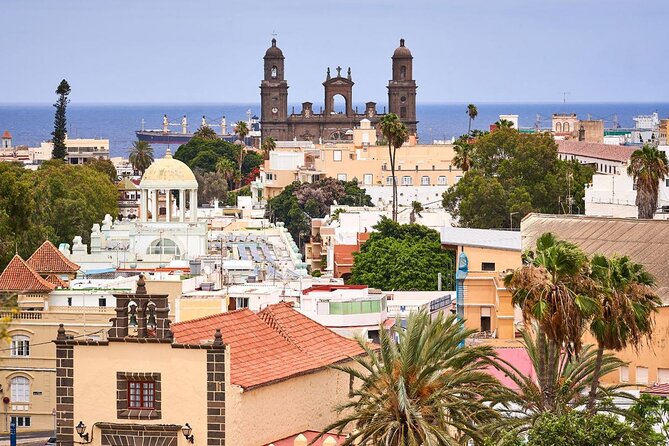
Then the tour shifts into the city, with Vegueta, described as the heart of Las Palmas de Gran Canaria. You get about an hour here, plus an included admission ticket in the tour plan.
This is where you get street-level history. Vegueta is full of colonial houses and the kind of small squares that make you slow down without trying. The stop includes key landmarks in the area such as Casa de Colón, the Cathedral of Santa Ana, and the Canary Museum.
There is also Calle Mayor de Triana nearby. Even if you do not shop, it helps to walk a famous commercial street because it shows you how the city balances heritage with everyday life. One minute you are looking at historic buildings and the next you are watching people move through the same streets.
A quick takeaway for you: Vegueta is a “look and listen” neighborhood. If you want pure sightseeing, go. If you want context, you will get that from the guide, especially in how they point out which buildings represent which chapters of the city’s past.
Other ways the day could go on Gran Canaria:


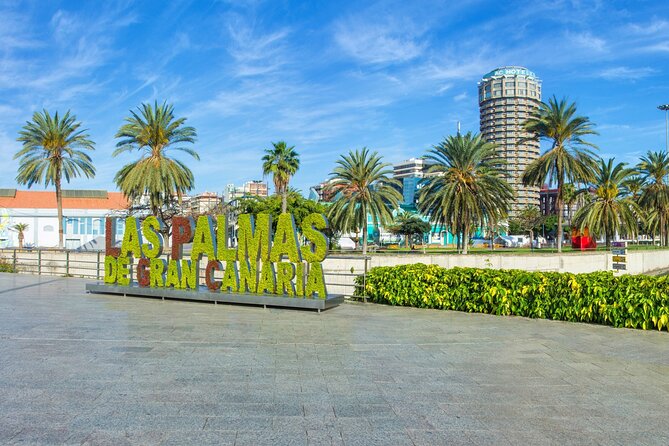
Parque Santa Catalina: the meeting point between city and sea
After Vegueta, you head to Parque Santa Catalina, one of the major meeting points in Las Palmas. The tour schedule gives you about an hour and includes an admission ticket for this stop.
Why this park matters is its location. It sits near Las Canteras Beach and close to the cruise terminal, so it acts like a hinge between local city life and the visitor experience. In practice, that means the atmosphere changes across the day. You might catch it as a lively pickup-and-drop zone, or as a calmer viewpoint where you can look toward the sea.
For me, this stop is useful because it breaks up the day. The earlier hours are heavier with sites and structured walking. Here you can reset, grab a drink if you want, and just take in the coastal vibe before heading into the more rugged natural scenery.
If you prefer quieter sightseeing, aim for a slower pace here. It is easy to let time pass fast because there is always something to watch.
Barranco de Guayadeque: ravine views, cave homes, and pre-Hispanic traces
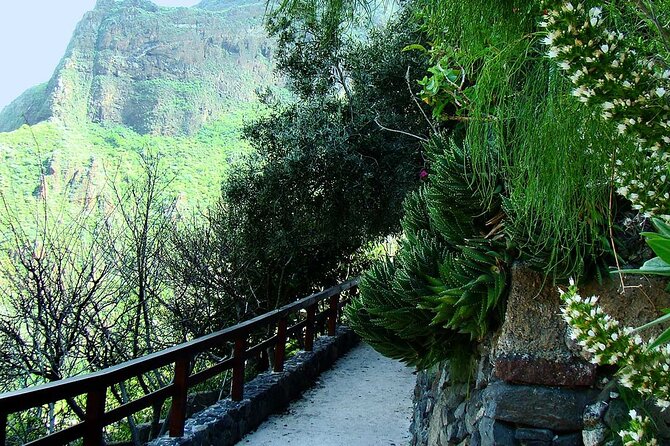
Now you get the kind of place that makes Gran Canaria feel unlike the rest of Spain: Barranco de Guayadeque. This ravine sits in the southeast center of the island, separating the municipalities of Ingenio and Agüimes. The tour gives you about an hour, with an included admission ticket.
The reason this stop hits is that it combines natural protection and human history. The ravine is known for pre-Hispanic archaeological remains and for valuable endemic flora and fauna. And then there are the cave houses, including a hermitage excavated in the rock.
You do not have to be a specialist to enjoy this. You just have to look at how people used the terrain. Cave dwellings and carved spaces suggest practical decisions made over long periods. With a guide, it becomes easier to understand that this is not random scenery. It is a lived environment shaped by geography.
One practical consideration: ravines can mean uneven ground and spots where shade changes quickly. Wear shoes with grip, keep an eye on your footing, and bring a light layer if weather is cool at higher elevations or if clouds roll in.
Agüimes historic center: tradition that feels worked into every corner
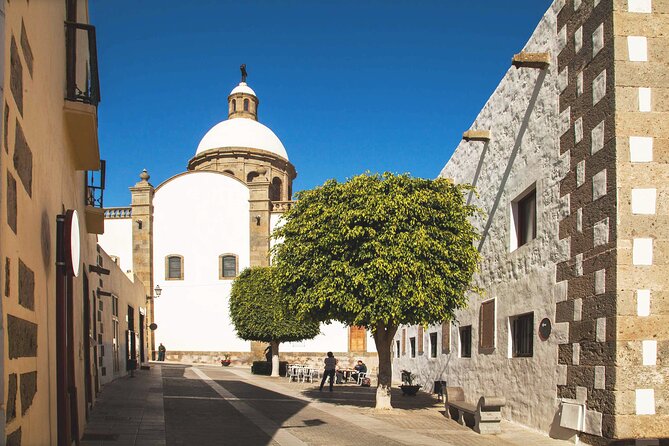
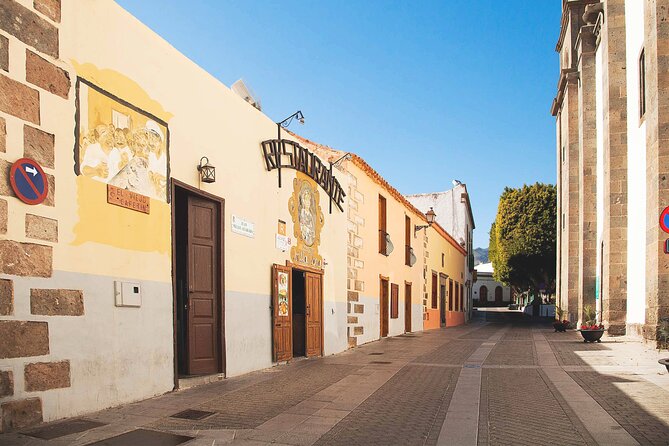
The day ends in Agüimes, a historic town known for its enveloping old center. You get about an hour here, and it is a free stop in the tour plan.
What I like about Agüimes is the way the old streets feel integrated. The historic center is described as creating an atmosphere where tradition merges with history. In other words, you are not just walking past monuments on a checklist. You are moving through a place that feels like it was built for everyday life, not just visitors.
This is also a nice finish because you leave the natural ruggedness of Guayadeque and step into a town where the focus is on architecture and atmosphere. The description of the streets as corners sculpted with a chisel fits the feel of places where stone details matter.
If you want souvenirs, Agüimes is the kind of town where browsing makes sense after you have already seen the island’s natural and historical layers. You understand the place better, so shopping feels less random.
Price and value: what $69.69 really covers
The price is $69.69 per person, for about 8 hours of guided touring. You also get pickup and drop-off, a professional guide, and insurance. In addition, the tour includes admission tickets at multiple stops, including the caldera and the botanical garden.
That is where the value sits. When a day trip includes both transportation support and several paid entries, you are not piecing together costs all day. You are paying for a structured route.
Lunch is not included, though. The tour plan notes that you can ask the guide for lunch, with a suggested price of 8 euros. For most people, that means you should keep a little cash or card ready for a quick meal option on the way. If you skip lunch entirely, you will feel it later in the day, especially if you keep a steady pace across multiple sites.
Also, the tour uses a mobile ticket, which usually makes check-in easier and less paperwork-heavy.
One more smart detail: the tour is offered with free cancellation up to 24 hours in advance, and the experience depends on good weather. If the forecast looks shaky, keep an eye on updates so you can adjust plans if needed.
Logistics that matter: pickup zones, group size, and pacing
This is a bus tour, with hotel pickup and return service. It covers both Las Palmas and South Gran Canaria, which is helpful because it means you do not have to start the day with an extra taxi ride.
You will need to provide your name and hotel address in the south area and in Las Palmas so pickup can be arranged. The start time is 8:00 am, so if you are staying farther out, double-check that pickup timing works with your morning routine.
The max group size is 30 travelers. That number matters because it affects crowding inside the bus and at stops. With a smaller cap, you get better chances of asking questions and getting your bearings during transitions.
And remember: the tour requires good weather. If weather is bad, the tour will be offered on a different date or you get a full refund. That is a straightforward approach, but it means you should not book this as your one single unmovable day in Gran Canaria.
Who should book this Gran Canaria Historical Tour
This is a strong fit if you want history with real variety. You get geology, botany, city heritage, and a ravine with cave dwellings, all guided in one day.
You will probably love it if:
- You want an organized way to see both Las Palmas and the south side of the island
- You prefer a guide to connect the dots between nature and human history
- You like walking through historic neighborhoods like Vegueta rather than only driving by landmarks
- You enjoy small-group touring, max 30
It might be less ideal if you want total free time. This is a fixed route with planned stops, so you are not picking your own order. And since lunch is not included, you will need to budget a meal.
Should you book this tour or not?
If your goal is a guided, efficient day that covers big-ticket variety, I think this is an easy yes. The combination of Caldera de Bandama, the Jardin Botanico, the old-town feel of Vegueta, and the dramatic Guayadeque ravine makes the day feel complete. Add in pickup and drop-off, plus a guide like Pepi who keeps things fun and clear, and the price looks fair for what you get.
Just go in with two expectations: bring a plan for lunch, and be flexible about weather. If those fit your style, you are set up for a memorable snapshot of Gran Canaria beyond the beach.
FAQ
What is the duration of the Gran Canaria Historical Tour?
The tour runs for about 8 hours.
What time does the tour start?
The start time is 8:00 am.
Is hotel pickup and drop-off included?
Yes. The tour includes pick-up service and drop-off service, and it covers Las Palmas and South Gran Canaria.
Are tickets and admissions included?
Admission tickets are included for the stops listed in the tour plan, including Caldera de Bandama, Jardin Botanico Viera y Clavijo, Vegueta, Parque Santa Catalina, and Barranco de Guayadeque. The Agüimes stop is listed as free.
Is lunch included in the price?
No. Lunch is not included, but you can ask the guide, and the lunch option mentioned is 8 euros.
Can I cancel for a full refund?
Yes, you can cancel up to 24 hours in advance for a full refund. The tour requires good weather, and if it is canceled due to poor weather, you will be offered a different date or a full refund.
Just added on Gran Canaria
- Family Monster 4 Seater Buggy
★ 5.0 · 1 review - Catamaran Eco Tours in Gran Canaria
★ 5.0 · 1 review - Flying Dress Photoshoot in Gran Canaria
★ 5.0 · 1 review - Cheese Workshop
★ 5.0 · 1 review - Canarian cheese tasting
★ 5.0 · 1 review - Private Transfer Gran Canaria Port to Gran Canaria Airport (LPA)
★ 5.0 · 1 review
Historical Tours, compared.
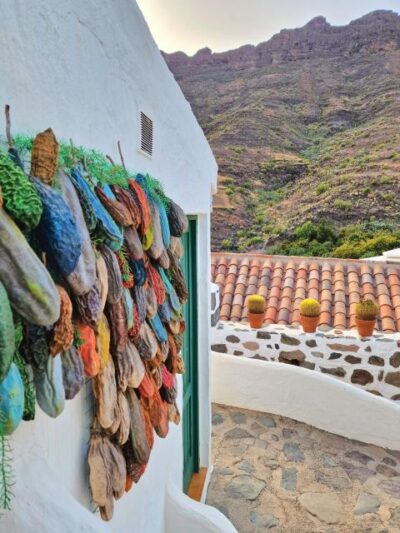
Gran Canaria historical house with mango plantation in Mogan
Read our review →
Gran Canaria Historic Tour – Yestarday and Today Premium
Read our review →
Las Palmas Historic Center: Self-Guided Tour + Casa Colón Ticket
Read our review →
7-hour Hop on Hop off Tour of Historic Gran Canaria
Read our review →Browse the lists this tour appears in