Reviewed · GUIDED
Gran Canaria: Rural Villages Guided Sightseeing Tour
Gran Canaria changes fast once you leave the resorts. This guided minivan tour is a smooth way to see the island’s interior, and I especially love the mix of Tejeda mountain charm and Artenara cave houses. The optional lunch stop in Fontanales is your call, and the food quality can be hit or miss, so plan to eat well but not expect Michelin-star perfection.
This is also the kind of day that feels personal, not rushed. With small-group touring (max 8 people per minivan), a guide-driver who handles the roads, and multiple photo stops, you get a calmer, more comfortable way to cross from south to north. One consideration: it’s a long day on winding roads, so if you get motion sick easily, bring what helps you.
In This Review
- Key things to know before you go
- A small-group minivan route from Maspalomas to the north coast
- Maspalomas to Fataga, where the south starts to feel wild
- La Degollada viewpoint and the climb into peak-country views
- Tejeda, the mountain village stop that feels like the island postcard
- Artenara cave houses, walking time plus real history you can see
- Monte Pavón viewpoint, then Fontanales for lunch on your own
- Moya, San Felipe, and the north-coast wave show
- Back to Las Palmas and the south highway run
- Comfort, group size, and what to pack for 8 hours on the move
- Value check: is $86 worth it for a south-to-north interior day?
- Should you book this Gran Canaria rural villages tour?
- FAQ
- How long is the Gran Canaria rural villages guided sightseeing tour?
- What is the group size on this tour?
- Where do you pick up, and is pickup included?
- What language is the live guide available in?
- Is lunch included in the price?
- What stops and sights are included during the day?
- What should I bring for the tour?
- What are the rules about luggage and smoking?
- Is the tour operating in bad weather?
Key things to know before you go
- Up to 8 people per minivan, so you’re not fighting for space at viewpoints
- Tejeda and Fataga give you village atmosphere plus big viewpoint payoffs
- Artenara cave houses include a guided visit and a short walk
- Photo stops all day, including sand dunes at Maspalomas and coastal views later
- You’ll cross high peaks and midlands, not just do a coastal loop
- Lunch isn’t included, so decide in advance how you want to handle the Fontanales stop
A small-group minivan route from Maspalomas to the north coast
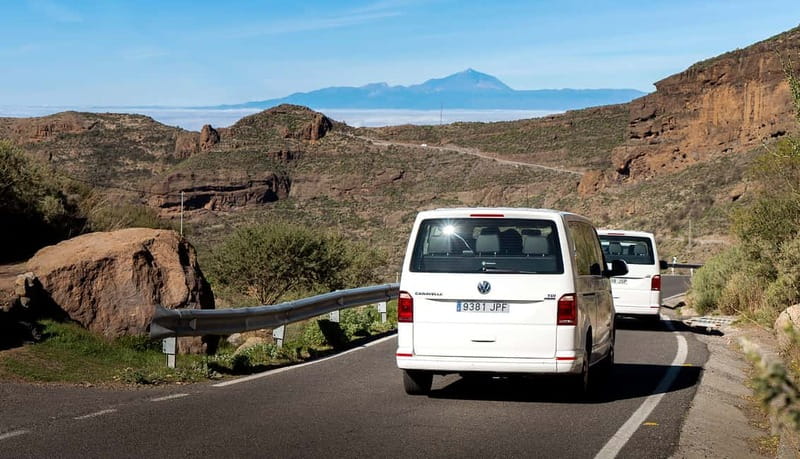
The best part of this tour is how it changes your perspective. Gran Canaria is often sold as beaches and sunshine, but when you ride inland with a guide-driver, the island reads like a whole different country. In one day, you move from southern plains and dunes up into peak country, then down again toward the Atlantic.
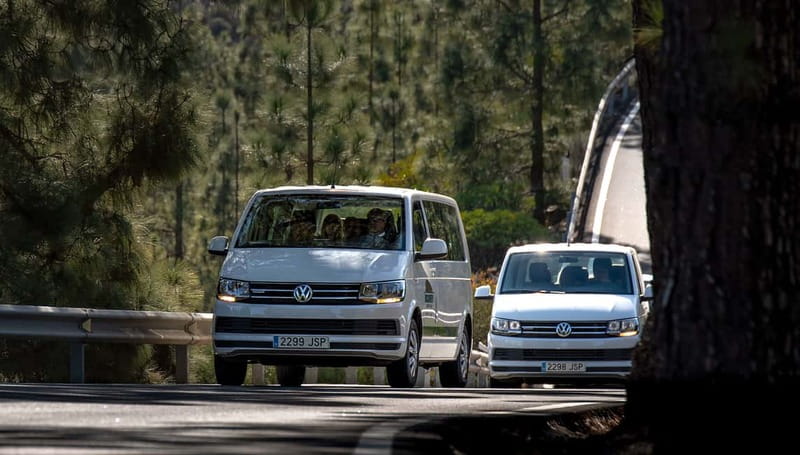
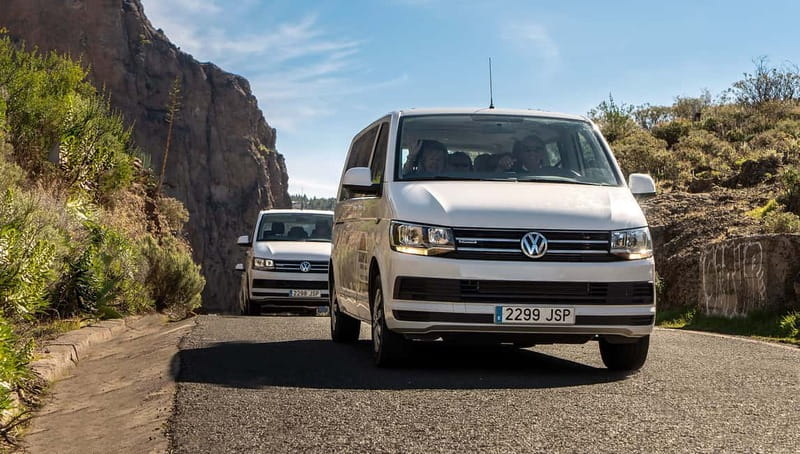
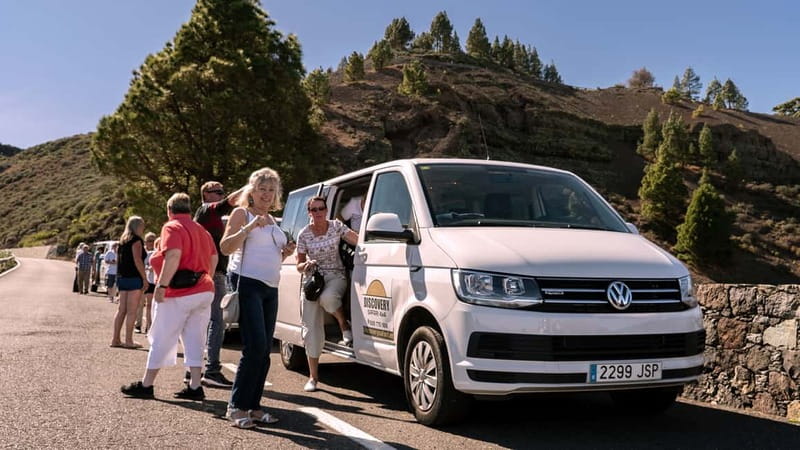
You’ll be picked up in the south of the island from a wide list of hotel and pickup points, and then you’ll head out in a modern minivan for small groups of up to 8. That small size matters. It means your guide can manage timing without herding everyone like a school group, and it helps you actually hear explanations over the noise of roads and cameras.
Right away, you’ll also get the feeling this tour is built for comfort. There’s a safety briefing early on, and the route is designed as a day of scheduled stops plus scenic drives between them. If you’ve ever tried to drive these bends yourself, you already know why that matters. You’re on island time, not rental-car stress time.
Timing is a full 8 hours, and you’ll spend the day moving between places rather than lingering in one spot. That’s the tradeoff for seeing both the interior villages and the north-coast vibe. If you like a slow, café-focused day, this might feel like a packed agenda. If you want a “best of the island interior” day without the driving headache, it fits.
A few more things to do on Gran Canaria
- Maspalomas: Guided Camel Ride in the Maspalomas Sand Dunes★ 4.4 · 4,526 reviews
- Guided tour of the Banana World★ 5.0 · 3,431 reviews
- Gran Canaria: Banana World Guided Tour & Tasting★ 4.8 · 2,867 reviews
Maspalomas to Fataga, where the south starts to feel wild
Most days begin with a Maspalomas photo stop. It’s a smart start because it puts you in the right mental zone. Maspalomas is where you see the sand-dune character of the south, and it gives you a quick sense of how different the island can look just by moving a few dozen kilometers.
Then the tour heads toward Fataga. This is where the day shifts from scenery you can spot from the road to village life you can actually feel. Fataga’s historic center is the first proper village moment, with time for photos and a scenic drive where the guide points out what to watch for as the terrain changes.
What you’ll like here is the contrast. Fataga and the nearby areas sit in a very dramatic setting, and it’s not the kind of view you get from a resort promenade. You’re riding through real working zones, ravines, and valleys, not just decorative outlook points. The tour also highlights the Valley of the Thousand Palms area, so as you pass through, you’ll have a better sense of why this place is famous beyond Instagram.
One practical note: some stops here are short. You’re there mainly for atmosphere, photos, and a feel for the area. Bring comfortable shoes for standing and walking a bit, even if the official “walk time” isn’t long.
La Degollada viewpoint and the climb into peak-country views
After the initial village leg, the tour reaches the La Degollada Astronomical Viewpoint. Even if you are not there at night for stargazing, you’ll still appreciate the logic of that location. High viewpoints in Gran Canaria are about reach, meaning you can see far and understand the island’s vertical scale.
This part of the day is important for two reasons. First, it breaks the journey into manageable segments. Second, it gives you that wow factor early enough that the rest of the route feels worth it, not like you’re just sitting in traffic between “real highlights.”
As you continue, you’ll head through areas like San Bartolomé de Tirajana and the almond grove region around Ayacata. That matters because it explains what you’re seeing. Instead of just admiring hills and rocks, you get context for how the island is farmed and lived on.
Also, prepare for changes in weather and light. The south can be warm and bright, and as you climb, it can feel cooler and more exposed. The tour asks you to bring a jacket, and that’s not advice for decoration. It’s the practical difference between enjoying stops and feeling chilly every time the van pulls over.
Tejeda, the mountain village stop that feels like the island postcard
Next comes Tejeda, and this is one of the anchors of the whole day. You’ll get a break time plus photo opportunities and sightseeing time. Tejeda is known for its mountain setting and classic Canarian village vibe, and the tour gives you enough time to slow down a bit compared with the earlier quick photo stops.
This stop is where you should act like a local traveler, not a tourist on autopilot. Walk a little, find a viewpoint you like, and take your time photographing the village and surrounding ridges. The route is designed to show you why Tejeda is repeatedly singled out as one of Gran Canaria’s most beautiful villages.
There’s also a deeper reason Tejeda works on this specific tour. The guide’s journey method is “south to north in one line,” but the terrain changes constantly. Tejeda is where those changes become easy to understand. The van climbs, ravines open up, and suddenly you can see the island as a series of zones rather than one endless coast.
If you get motion sick, this is a good place to pause before you continue higher or deeper into the next stretch. The day doesn’t come with long “rest stops,” so your best chance to reset your body is during village breaks.
Other ways the day could go on Gran Canaria:

Artenara cave houses, walking time plus real history you can see
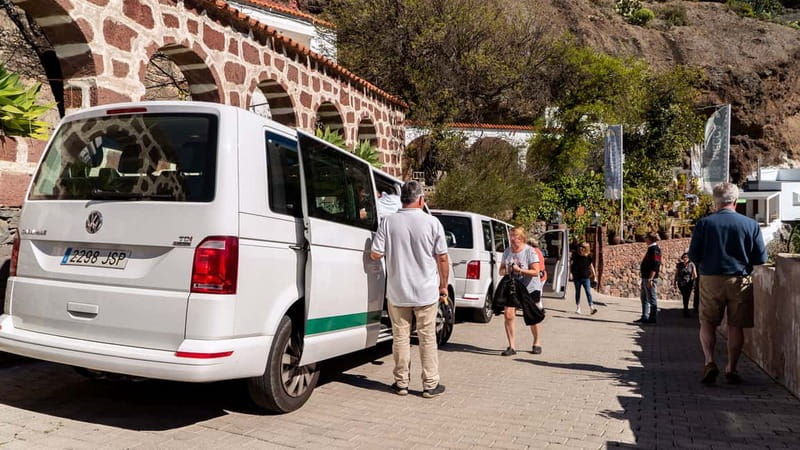
Artenara and its cave houses are a highlight for a reason. This is not just a quick stop where you glance at a façade and move on. You’ll have a guided tour and time to walk, plus photo time and scenic views along the way.
Cave houses are one of those places where it helps to understand context as you look. Without that context, you might see them as “cool architecture.” With it, you start to recognize them as a practical adaptation to the island’s climate and terrain. The tour guide-driver format helps here because you can ask questions and hear explanations while you’re walking, not after you’ve already moved away from the sight.
In terms of effort, this is one of the more active segments of the day. The walk isn’t described as extreme, but it is still a walk on uneven terrain. Bring comfortable shoes and take your time if the ground feels rough or slippery.
This is also a great moment to appreciate the small-group setup. When you walk and photos happen close together, a large group creates bottlenecks. Here, with up to 8 people, you’re more likely to step back, reframe shots, and actually enjoy the stop rather than rushing to keep up.
Monte Pavón viewpoint, then Fontanales for lunch on your own
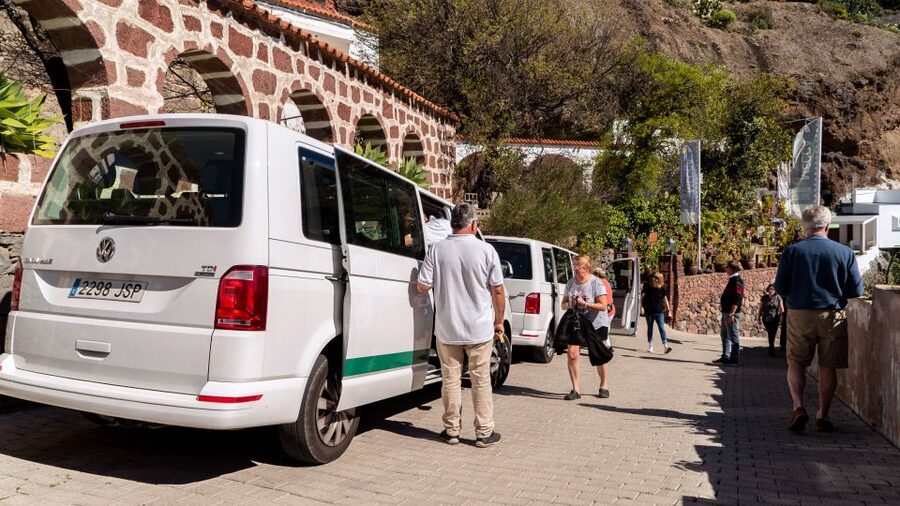
After Artenara, the tour includes an important viewpoint stop at Monte Pavón, described as essential. You’ll get photo time and scenic viewing, which likely means you’re set up for sweeping angles across the midlands. This is the “pause and breathe” segment for many people because it’s a chance to absorb the island’s scale.
Then you’ll reach Fontanales. This is where the tour gives you free time, and this is also where lunch comes into play. Lunch is not included in the price, so you’ll be making your own decision. The tour’s design is helpful here because you’re not just left stranded. You get time to eat, and the day continues with scheduled driving and stops after.
Based on what people report in similar situations, the food experience here can vary by restaurant and day. I’d handle this with two rules: check what’s available before you commit, and don’t build your entire day around the lunch being perfect. You’re really here for the views and villages, and the lunch slot is mainly to keep your energy up for the final stretches.
Moya, San Felipe, and the north-coast wave show
As the tour heads toward the north, you’ll pass through places like Moya and the Tilos Valley. Even when stops are short or it’s more “scenic drive plus photo moments,” this is where you see how quickly the island flips character.
Later, the tour brings you to San Felipe, a charming coastal village on the north. This is where the highlight about the waves comes in. You’re not just seeing the sea, you’re watching water hit the shoreline and splash along the coast. For a lot of travelers, that’s the emotional payoff of coming to the north after all that inland climbing.
The north-coast view is also where you’ll feel why this tour works better than a purely coastal day. Coastal trips often mean you spend all day near the water but never see how the interior shapes the island’s weather and geography. Here, you understand the whole machine: inland elevation, ravines, and then the coast taking the final hit of Atlantic wind and waves.
Back to Las Palmas and the south highway run
On the return, you’ll pass by Las Palmas with scenic driving and viewpoint moments along the way. The route is designed to help you transition back to the southern highway efficiently, so you’re not stuck crawling through city streets for hours.
This final leg matters because it’s when you’ll notice how your day is balanced. If you’ve been taking photos all afternoon, your brain can be tired but satisfied. The van ride back gives you time to sort images, replay what you liked most, and decide what you’d do if you came back for a second trip inland.
The driver and guide-driver role is crucial here. Gran Canaria roads can be bendy and slow in places, and the tour experience hinges on smooth navigation and good timing between stops. People often mention how safe and confident the driving feels, and that’s not a small detail when you are on roads where you do not want to white-knuckle every curve.
Comfort, group size, and what to pack for 8 hours on the move
This is an 8-hour guided experience designed for comfort and a calm pace, but it is still a full day. You’ll be in and out of the van at multiple stops. Plan for standing, walking a bit at cave houses, and spending time outdoors even if the day is gray.
What I recommend you pack is simple:
- Comfortable shoes (not just for one stop, for the whole day)
- A jacket (especially as you go higher and closer to the north)
- Comfortable clothes that can handle weather changes
There’s also a clear constraint: no luggage or large bags in the vehicle. Travel light. If you’re traveling with a day bag only, you’re set. If you’re trying to bring big roller luggage, you’re asking for frustration.
Also, keep in mind who this tour is not aimed at. It’s not suitable for people with mobility impairments, so if that applies to you, choose a different format that matches your needs.
Finally, this tour runs rain or shine. That means you should assume you’ll still stop at viewpoints. If weather is rough, you might want a small layer that handles drizzle and wind, not just sun protection.
Value check: is $86 worth it for a south-to-north interior day?
At $86 per person for an 8-hour, small-group minivan tour, the value comes from what you avoid. You avoid planning a route through high peaks and midlands. You avoid finding parking at multiple villages. And you avoid the challenge of navigating bendy roads while trying to enjoy the views.
You also get more than “transport.” The included local expert guide-driver adds context while you’re in place, especially at Tejeda and during the cave house visit in Artenara. That’s where a guided day earns its keep. Without the explanations, you’d still see something pretty, but you’d miss the why.
Insurance is included as well. That matters on a day of long drives and frequent stops.
What you’re paying for, in plain terms, is time and stress reduction. You’re buying the ability to focus on the places instead of the logistics. For many people, that’s the difference between a good holiday day and a day you actually remember.
The one cost you should plan for is lunch. Lunch, tastings, and drinks are not included. That means your total day cost depends on what you choose at the Fontanales free time stop. Still, it keeps you flexible. You can pick what looks good to you rather than being locked into a fixed menu.
Should you book this Gran Canaria rural villages tour?
Book it if you want a structured, comfortable way to see the island interior in one day. This tour is built for people who like village character, viewpoints, and a guided walk at cave houses. It’s also a strong choice if you’d rather not drive the mountains yourself.
Skip or reconsider if you get motion sick easily, because the day includes a long drive over winding roads. Also, if mobility issues affect you, this one is not suitable.
If you want a practical promise, here it is: you’ll likely leave with the feeling that you saw far more than a resort bubble day, and you’ll understand why Gran Canaria’s north and interior look so different from the south.
FAQ
How long is the Gran Canaria rural villages guided sightseeing tour?
The tour lasts 8 hours.
What is the group size on this tour?
The tour is in minivans for up to 8 people.
Where do you pick up, and is pickup included?
Hotel pickup and drop-off are included, but only available in the south of Gran Canaria. The supplier confirms the exact pickup time and location.
What language is the live guide available in?
The live tour guide is available in Italian, Swedish, Russian, Dutch, English, French, German, Spanish, and Lithuanian.
Is lunch included in the price?
Lunch is not included. There is free time for lunch in Fontanales, and lunch is optional.
What stops and sights are included during the day?
You’ll visit places such as Tejeda, Fataga, and Artenara cave houses, plus viewpoint stops including La Degollada Astronomical Viewpoint and Monte Pavón Viewpoint, and you’ll also pass through areas like Moya and Las Palmas.
What should I bring for the tour?
Bring comfortable shoes, a jacket, and comfortable clothes.
What are the rules about luggage and smoking?
Luggage or large bags are not allowed, and smoking is not allowed in the vehicle.
Is the tour operating in bad weather?
Yes, the tour runs rain or shine.
Just added on Gran Canaria
- Family Monster 4 Seater Buggy
★ 5.0 · 1 review - Catamaran Eco Tours in Gran Canaria
★ 5.0 · 1 review - Flying Dress Photoshoot in Gran Canaria
★ 5.0 · 1 review - Cheese Workshop
★ 5.0 · 1 review - Canarian cheese tasting
★ 5.0 · 1 review - Private Transfer Gran Canaria Port to Gran Canaria Airport (LPA)
★ 5.0 · 1 review
Guided, compared.
Guided Camel Ride in the Maspalomas Sand Dunes
Read our review →
Puerto Mogán: Guided Adventure Kayak Tour in Caves & Snorkel
Read our review →