Reviewed · TOURS
Gran Canaria Tour: Past and Present
A day of geology and village life beats a beach-only plan. I really like the way this tour strings together past and present Gran Canaria in a logical loop, and I also love the practical payoff of a panoramic bus route that shows you the island’s big changes in altitude. The one real thing to watch is pace, because with multiple pickup areas and several stops, it can feel like a long, busy day on the bus.
If you want your Gran Canaria to have context, this is a strong pick. You’ll visit cave dwellings in the Guayadeque Valley, pass through fertile midlands known as Las Medianías, and then hit iconic viewpoints like Roque Nublo. My consideration: the day is structured, so if you’re craving long, quiet time in one place, you might wish for fewer stops or more slack time.
In This Review
- Key highlights worth your attention
- A Full-Day Bus Lesson in Gran Canaria, From Caves to Roque Nublo
- Guayadeque Valley and Agüimes, Pre-Hispanic Living in Stone
- Teror Town Stop, Basilica Views and Canarian-Style Streets
- Las Medianías and Valleseco, Where Farming Views Start to Change
- Roque Nublo and the Middle Mountain Panorama Route
- Fataga’s Valley of a Thousand Palms and the Aloe Vera Estate
- Price and Logistics: Pickup Areas, Time on the Bus, and Language Flow
- Who This Tour Fits Best, and Who Should Skip It
- Should You Book This Tour?
- FAQ
- How long is the Gran Canaria tour, Past and Present?
- What is the price per person?
- Does the tour include lunch?
- Where does pickup service operate?
- What sights and visits are included?
- What languages will the live guide speak?
- What should I bring for the day?
Key highlights worth your attention
- Guayadeque Valley cave houses: pre-Hispanic living carved into the rock
- Agüimes: an ancient settlement stop that gives the story a starting point
- Teror town focus: Basilica of Our Lady of the Pine and Canarian-style manor houses
- Las Medianías midlands: agriculture and livestock country, with greener views as you climb
- Roque Nublo area: volcanic rock with sacred meaning for ancient islanders and a modern symbol
- Fataga’s Valley of the Thousand Palms plus aloe: canyon views on the way back, then a plant-focused farm visit
A Full-Day Bus Lesson in Gran Canaria, From Caves to Roque Nublo
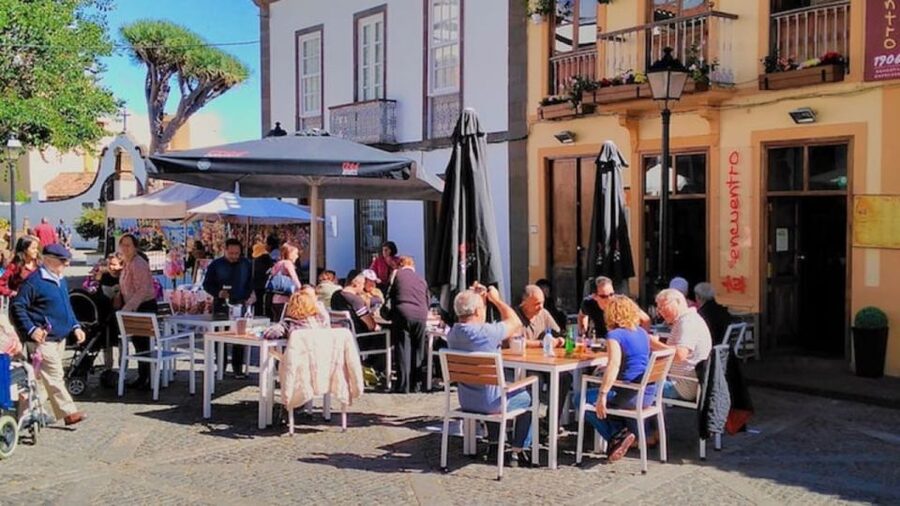
This is the kind of tour that helps you stop thinking of Gran Canaria as only beaches. In about 8 hours, you get a “from coast to mountain” sweep by bus, with a local guide driving the story from indigenous life to today. The format is simple: ride, get out for key moments, ride again, repeat.
What makes it work is that the stops aren’t random. You start with human history and settlement patterns, then move into town architecture, then into the island’s mid-height farming belt, and finally up toward famous volcanic landmarks. It’s a full day, so yes, you’ll be on the bus more than you’re used to. But if your goal is understanding the island quickly and efficiently, the bus becomes a feature, not a punishment.
Guide and driver matter here, and the tour’s built around that. The route includes narrow stretches, and the day is far more comfortable when the bus driver is confident and the guide can keep the group moving without chaos.
Sizing up the island? A few more that leave from the same resorts:
- Gran Canaria: Catamaran Dolphin Watch Cruise with Snorkeling★ 4.4 · 4,761 reviews
- Maspalomas: Guided Camel Ride in the Maspalomas Sand Dunes★ 4.4 · 4,526 reviews
- Poema del Mar Skip-the-Line Ticket★ 4.8 · 3,856 reviews
Guayadeque Valley and Agüimes, Pre-Hispanic Living in Stone
The day’s history anchor is the Guayadeque Valley. You’ll head to protected valley scenery and see cave dwellings that have been inhabited since pre-Hispanic times. Standing near caves like these changes how you picture Gran Canaria. It’s not just “old Europe,” it’s people adapting to geology, climate, and available shelter.
Right around this area, the tour also includes Agüimes, described as an ancient aboriginal settlement stop. Even if you only get a short visit, it helps you connect the dots between where people lived and why. The key value here is guided interpretation, not just sightseeing. A good local guide will explain how these communities fit into the island’s survival patterns long before modern tourism took over the coastline.
Practical note: cave-house areas usually mean uneven ground and cool-to-dry transitions. Comfortable shoes matter more than you think, especially if you want to walk a bit instead of just snapping photos from one spot.
Teror Town Stop, Basilica Views and Canarian-Style Streets
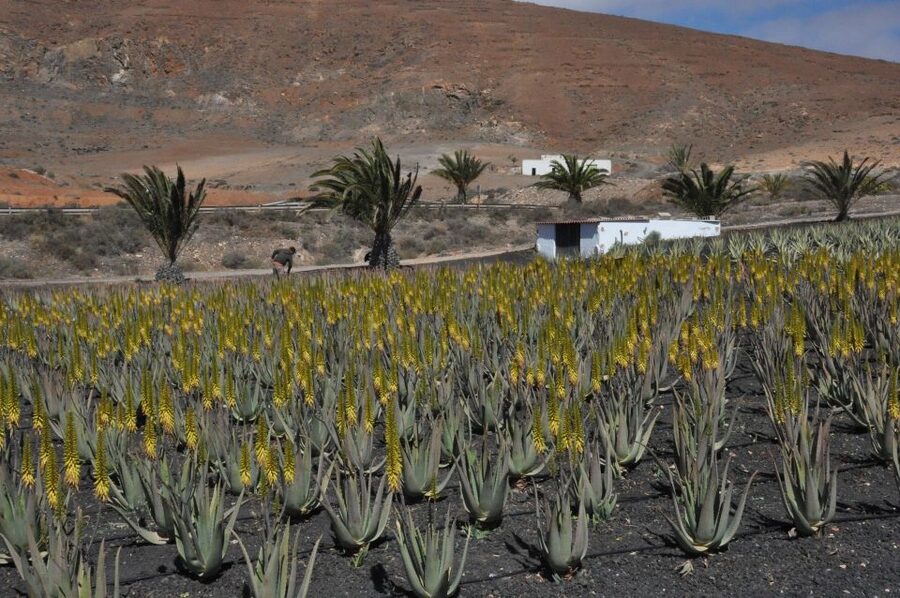
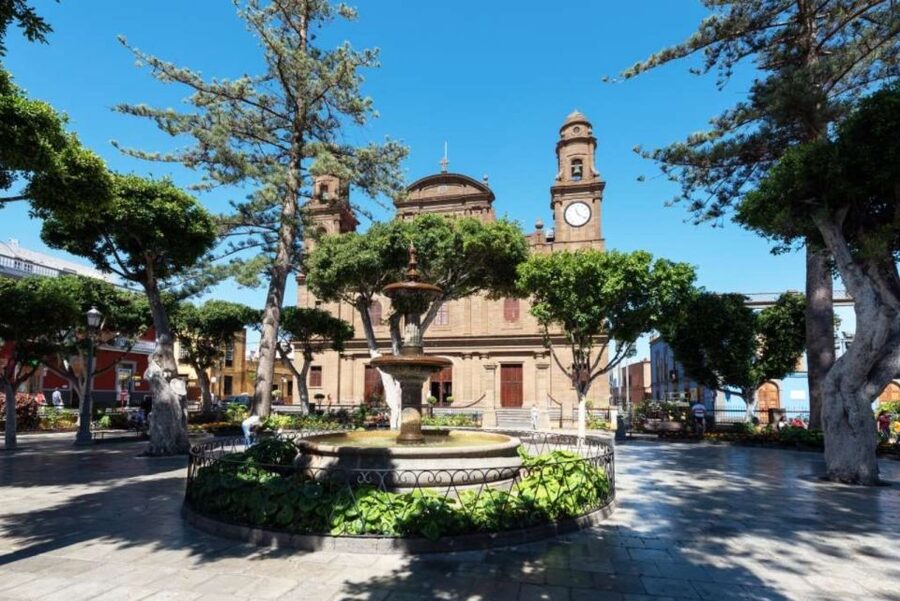
Next comes the “pretty towns” part, and Teror is the big one. You’ll arrive in a town known for its imposing religious centerpiece, the Basilica of Our Lady of the Pine. This isn’t a quick pass-by either, it’s a true town stop that gives you time to look around and absorb the Canarian feel.
You’ll also notice the elegant Canarian-style manor houses in the area. That’s a helpful contrast after the caves. One stop shows survival architecture, the next shows how wealth and local culture expressed themselves once the island’s society became more established.
Teror works best if you slow down. Walk toward the basilica area, look at the facades, and take a moment to notice how the town sits in its broader setting. If you’re the kind of traveler who likes small details, this will reward you more than the “big landmark photo” type of stop.
One balancing act: this tour packs a lot into the day, and Teror can feel like the place where your energy needs to match the schedule. If lunch planning matters to you, keep an eye on timing so you don’t lose your meal window to walking and photo breaks.
Las Medianías and Valleseco, Where Farming Views Start to Change
As you cross the region called Las Medianías, the tour shifts from villages to working landscape. Las Medianías is described as midlands, and it matters because you’ll see a different rhythm of the island. The guide frames it as a fertile agricultural and livestock area, with lush vegetation as you ascend.
Then you reach Valleseco, a protected natural space where the tour includes free time. This is your built-in breather. You can stroll, stretch your legs, and have lunch on your own. Lunch is not included in the base tour price, but there’s typically an opportunity to eat there if you want something simple and local.
Why I like this stop: it breaks the day’s pattern. Early on, you’re moving through history and architecture. Here, you get a moment that feels less like a museum schedule and more like real-time village and countryside movement.
The drawback is also tied to this: because the day is organized around multiple stops, you may not get as much wandering time in each place as you’d like. If you prefer to stay longer in nature towns, go in knowing this is an “experience the highlights” version of Gran Canaria.
Other ways the day could go on Gran Canaria:

Roque Nublo and the Middle Mountain Panorama Route
After Valleseco, the day climbs toward one of Gran Canaria’s icons: Roque Nublo. The tour describes it as a volcanic rock formation with sacred significance for ancient islanders, and also as a present-day symbol of the island. That combination is important. You’re not just visiting a viewpoint, you’re visiting a landmark with meaning that outlasts centuries.
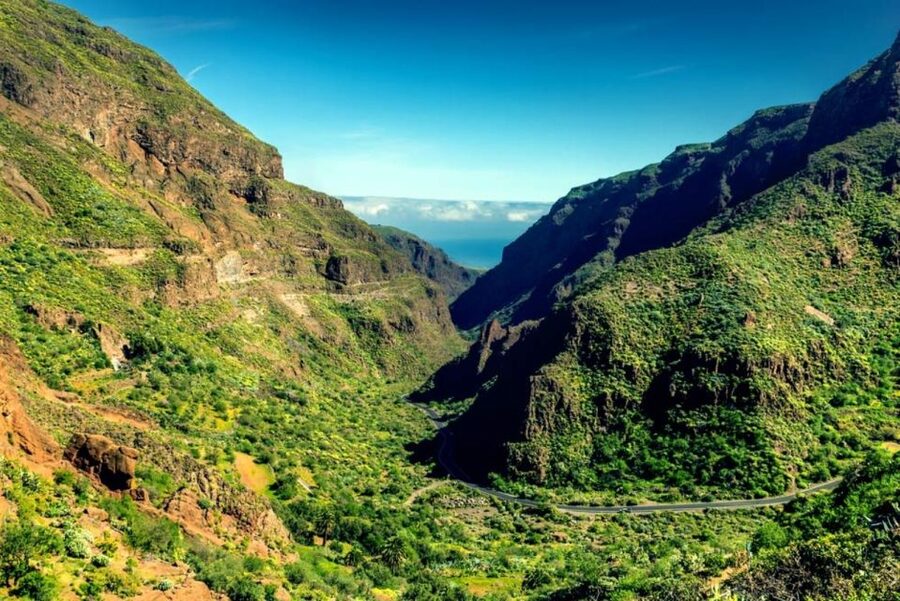
The timing and bus angle can make a big difference with Roque Nublo. You’ll be taking in the island from roads that reveal a lot of altitude change. The tour also includes an amazing panoramic bus route through the Middle Mountain Region, which is exactly where Gran Canaria stops looking flat and starts showing its internal structure.
If you sit on the right side of the bus, you might get better views. Still, the day is designed so you don’t need perfect seating to enjoy it. The driver’s route and the guide’s stops aim to keep everyone seeing major highlights rather than forcing you to stare forward for hours.
One more thing to know: Roque Nublo is memorable, but it’s also open and can feel windy. Bring a windbreaker like the tour suggests. It’s an easy way to stay comfortable so you can enjoy the viewpoint without fighting the weather.
Fataga’s Valley of a Thousand Palms and the Aloe Vera Estate
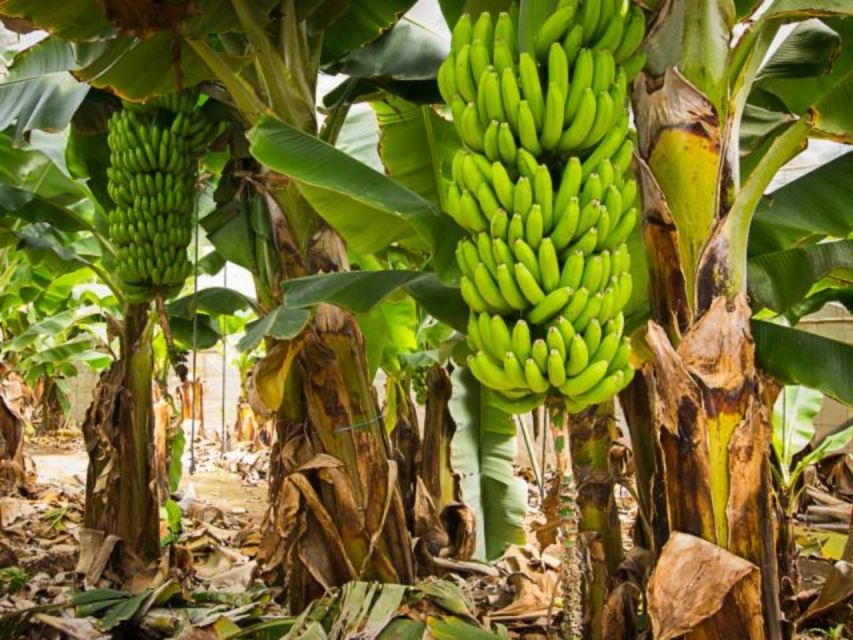
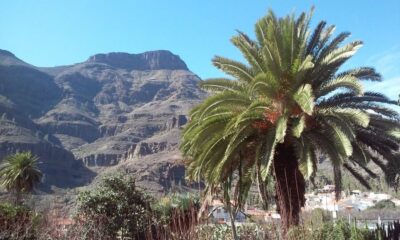
On the return, the tour heads through the canyon of the Valley of the Thousand Palms (Fataga). This is one of those scenic zones where you feel the island’s dramatic geography. You get a strong visual impression of rock, depth, and pockets of vegetation, and it’s a satisfying “cool down” after the higher-altitude viewpoints.
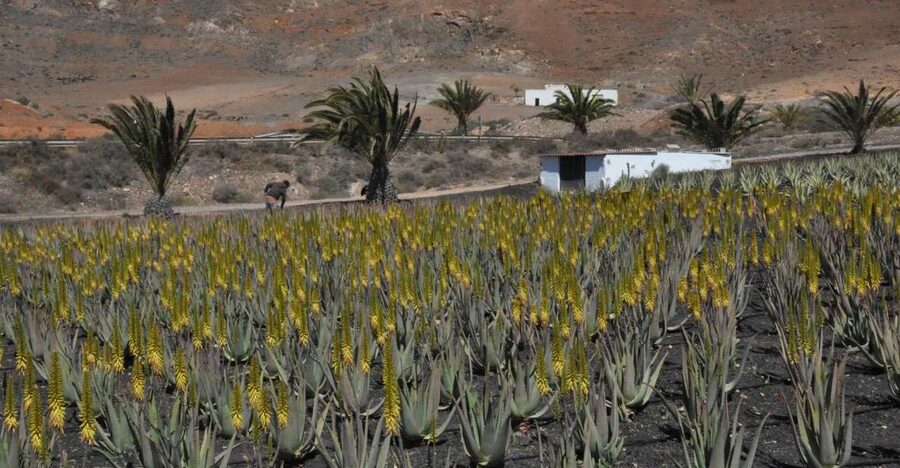
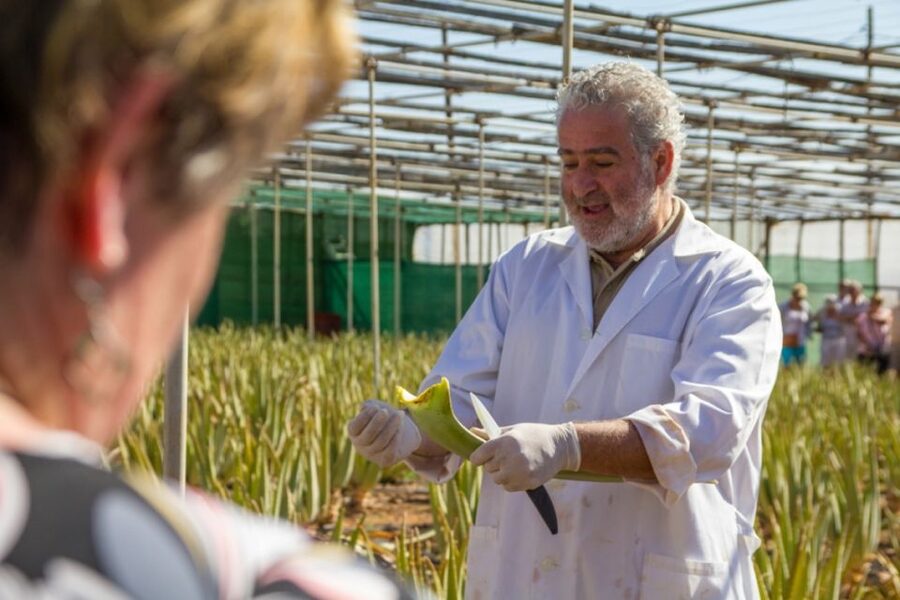
Then comes a different kind of stop: an aloe vera estate. The tour frames it around the secrets and benefits of the aloe vera plant. Even if you’re not buying anything, it’s a practical, island-specific experience. Aloe is tied to Gran Canaria’s economy and local agriculture in a way that plain souvenir shopping never explains.
This is a good final stop for two reasons. First, it keeps the day from ending with only scenery. Second, it gives you something to take home that feels connected to why the island grows what it grows.
Price and Logistics: Pickup Areas, Time on the Bus, and Language Flow
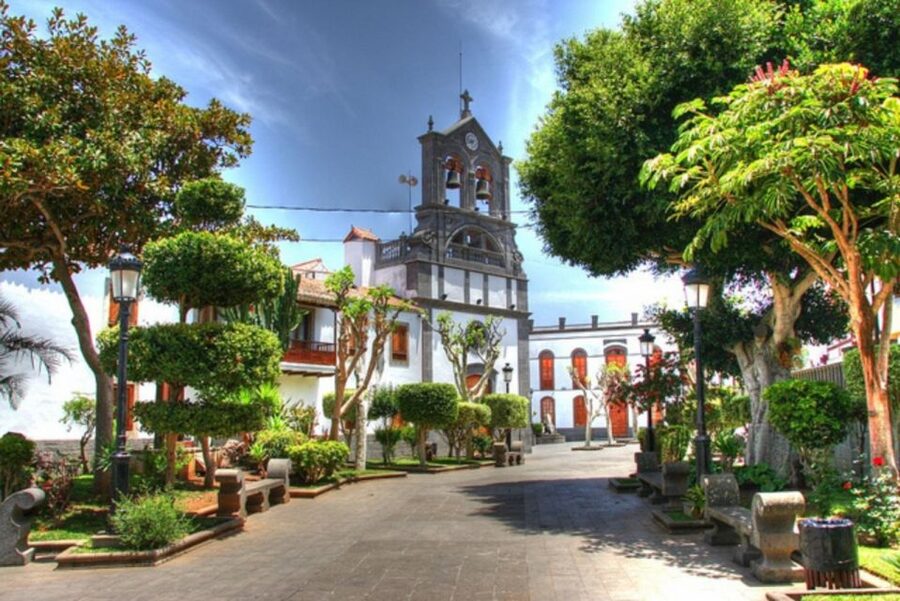
At about $58 per person and a full day total of roughly 8 hours, the value comes from bundling a lot: pickup, a professional guide, multiple sightseeing stops, panoramic driving time, cave-house viewing areas, and the aloe estate visit. And you don’t need to organize transport yourself between scattered sites.
Where the tradeoffs show up is logistics. Pickup is offered from many resort areas, including Playa del Inglés, Maspalomas, Costa Meloneras, San Agustín, Bahía Feliz, Taurito, and Puerto Mogán. Multiple pickup points usually mean some waiting, and return times can stretch depending on where you start and how the bus handles the circuit.
There’s also the reality of a longer day spent on the bus. One review mentioned close to 200 km of driving and the sense that it can be a lot of time seated. That’s not a flaw if you planned for it. It’s a flaw only if you expected a relaxed, slow travel day.
Finally, language flow matters. The tour offers Spanish, English, and German with a live guide. In a multi-language setup, you may hear your language some of the time and other languages at other moments, depending on how the guide addresses different groups. If you want every sentence, arrive with patience and a positive attitude. You’ll still get the main storyline, but the experience is more about joining the rhythm than catching every single detail perfectly.
Who This Tour Fits Best, and Who Should Skip It
This tour fits you if you want a fast, structured way to understand Gran Canaria beyond the beach. I’d especially recommend it if you like history tied to place, and if you enjoy panoramic viewpoints more than you do sitting in one neighborhood for hours.
It’s also a good match if your group includes mixed interests, because it touches on:
- pre-Hispanic cave life
- town character in places like Teror and Agüimes
- midland agriculture in Las Medianías
- iconic volcanic scenery at Roque Nublo
- a scenic canyon return through Fataga
- a plant-focused aloe stop
Skip it if you’re traveling for maximum downtime. This is not a quiet walk-only day. It’s more like a guided tour with transport built in, so your comfort depends on your willingness to ride and your energy for short stops.
If you’re sensitive to long pickup routes, consider that you might get back later than the absolute early end of the day, depending on how pickup and drop-off line up.
Should You Book This Tour?
If you’re looking for value and context, I think it’s a smart booking. For roughly $58, you’re getting a local guide, pickup from major resort areas, and access to several key highlights that would be time-consuming to stitch together on your own.
Book it if you want a clear island overview, from caves and towns to mountains and palm-filled canyons. Don’t book it if your top priority is a slow, unhurried day with lots of free time in one location.
My practical call: bring comfortable shoes and a windbreaker, expect a full day on the bus, and plan for lunch on your own during the free time in Valleseco. Do that, and you’ll come away with a much more coherent picture of what Gran Canaria is, not just what it looks like.
FAQ
How long is the Gran Canaria tour, Past and Present?
The tour lasts 8 hours.
What is the price per person?
The price is $58 per person.
Does the tour include lunch?
No. Lunch and drinks are not included. You’ll have leisure time in Valleseco to enjoy lunch on your own.
Where does pickup service operate?
Pickup is offered from Playa del Inglés, Maspalomas, Costa Meloneras, San Agustín, Bahía Feliz, Taurito, and Puerto Mogán.
What sights and visits are included?
Included stops and visits cover the Guayadeque Valley and its cave houses, Teror, the Roque Nublo area and Tunte, plus a visit to an aloe vera estate. You also get leisure time in Valleseco.
What languages will the live guide speak?
The live tour guide offers Spanish, English, and German.
What should I bring for the day?
Bring comfortable shoes, a windbreaker, and comfortable clothes.
Just added on Gran Canaria
- Family Monster 4 Seater Buggy
★ 5.0 · 1 review - Catamaran Eco Tours in Gran Canaria
★ 5.0 · 1 review - Flying Dress Photoshoot in Gran Canaria
★ 5.0 · 1 review - Cheese Workshop
★ 5.0 · 1 review - Canarian cheese tasting
★ 5.0 · 1 review - Private Transfer Gran Canaria Port to Gran Canaria Airport (LPA)
★ 5.0 · 1 review
Tours, compared.
From Mogán/Maspalomas/Arguineguín: Gran Canaria Day Tour
Read our review →
South Gran Canaria: Off-Road Valleys & Villages Jeep Tour
Read our review →
The Volcano Heart Tour: Hiking, Tasting and Sunset Experience
Read our review →